Insect cookies on Science Day: do you dare to take a bite?

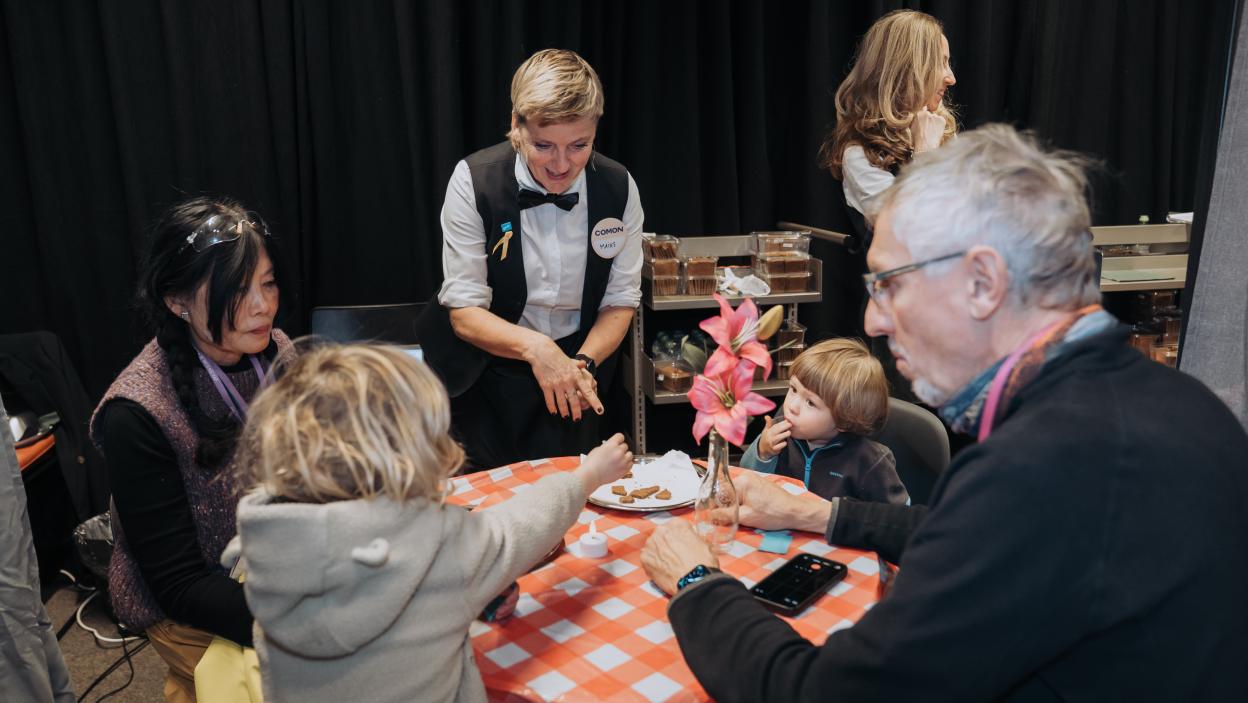
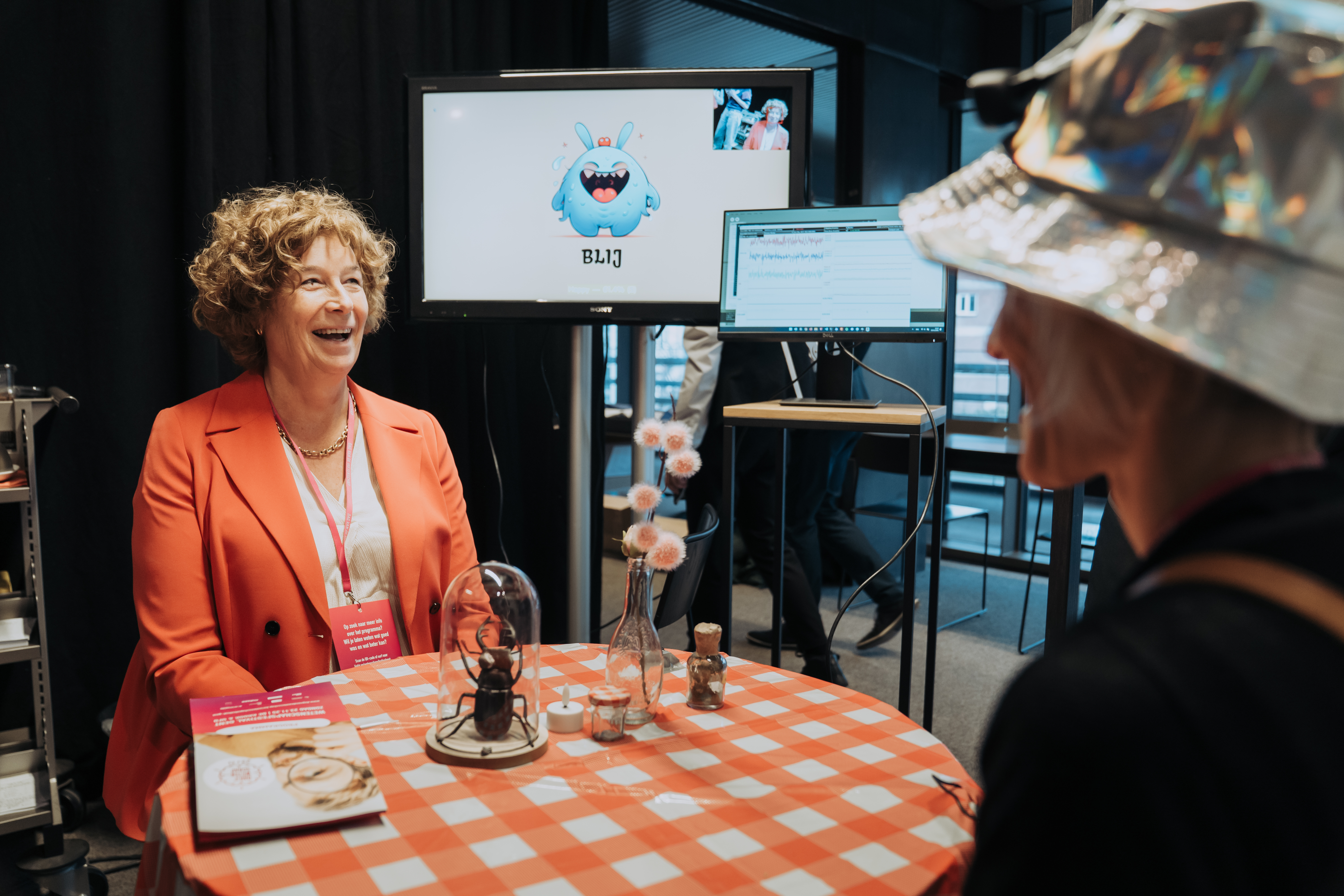
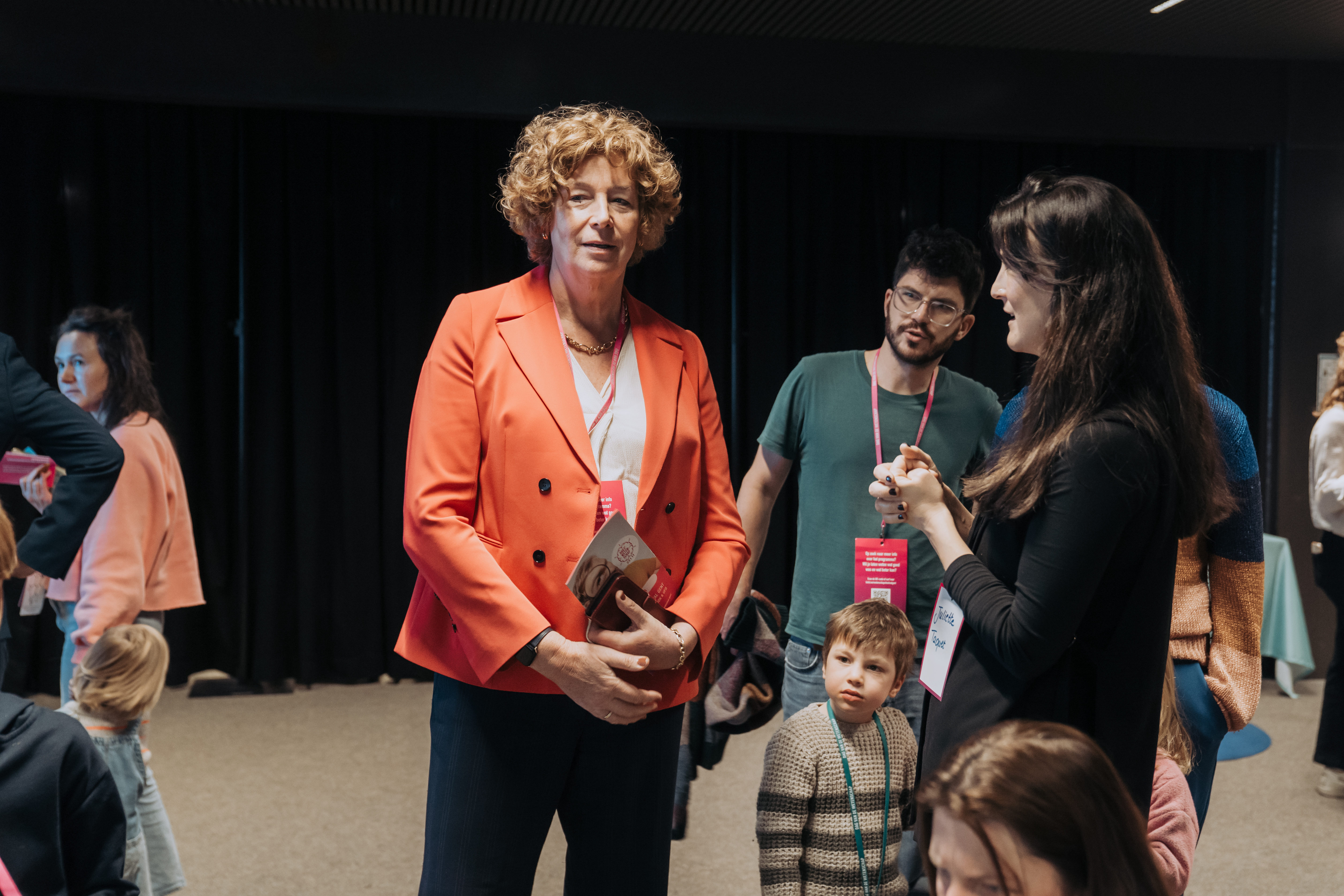
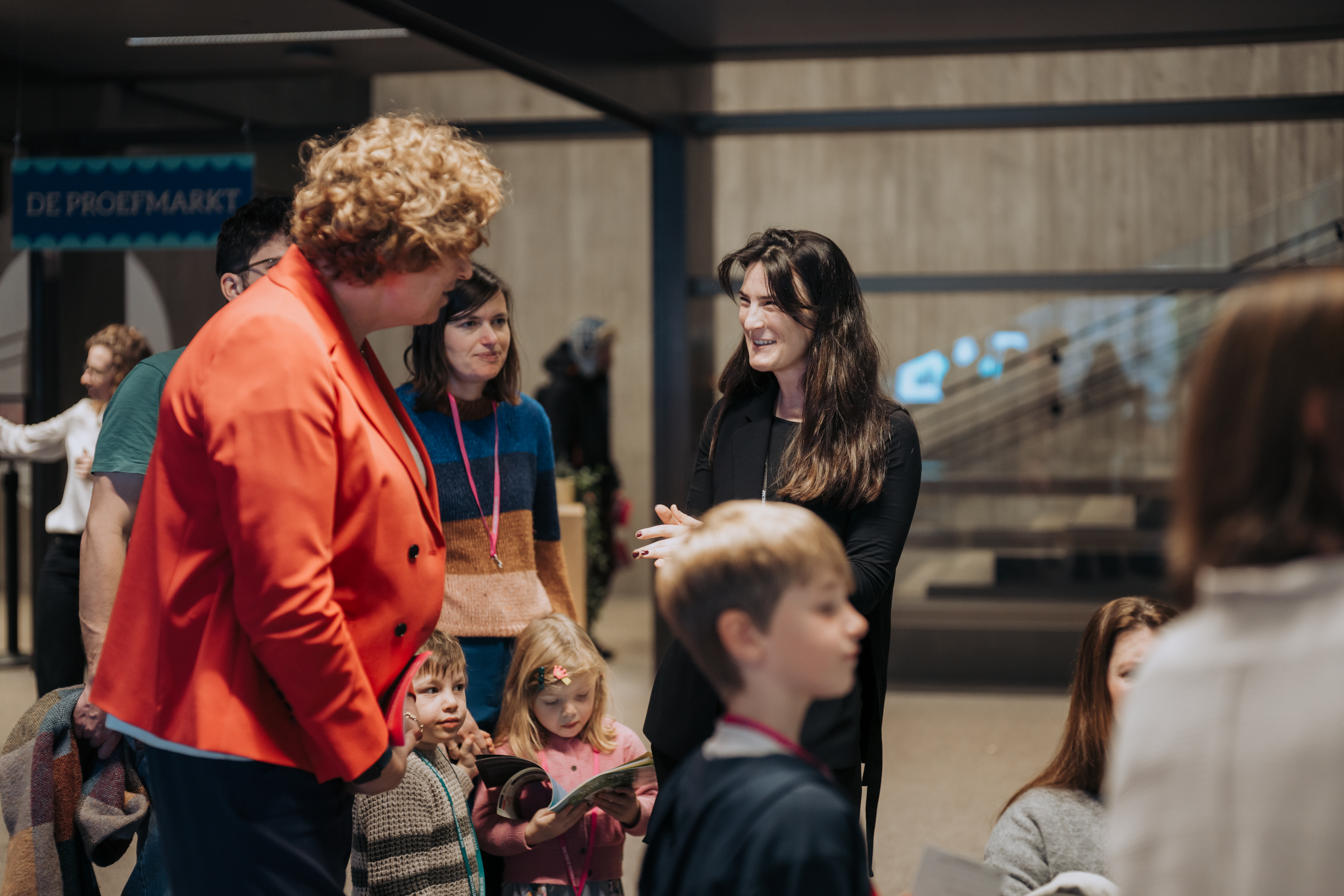
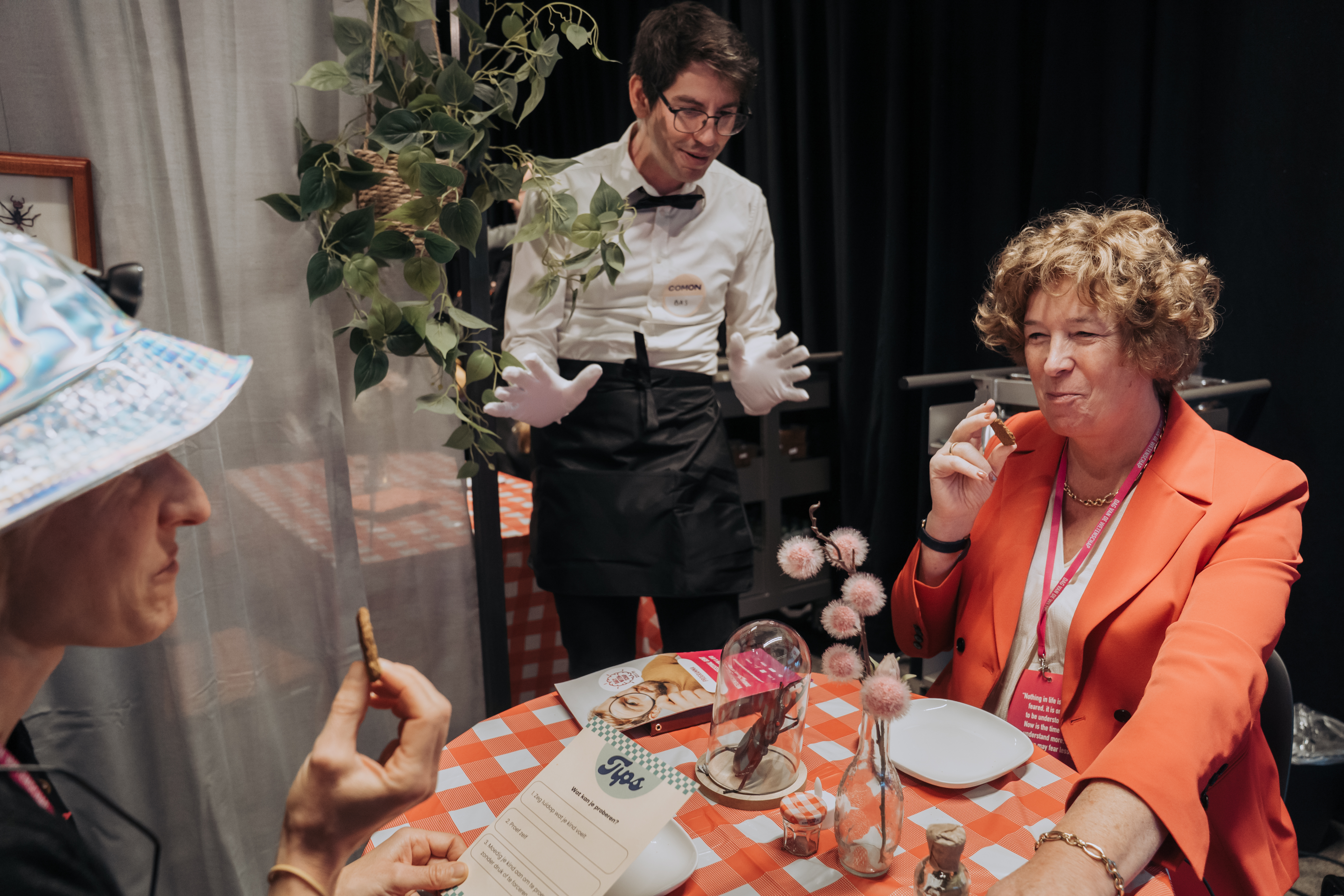
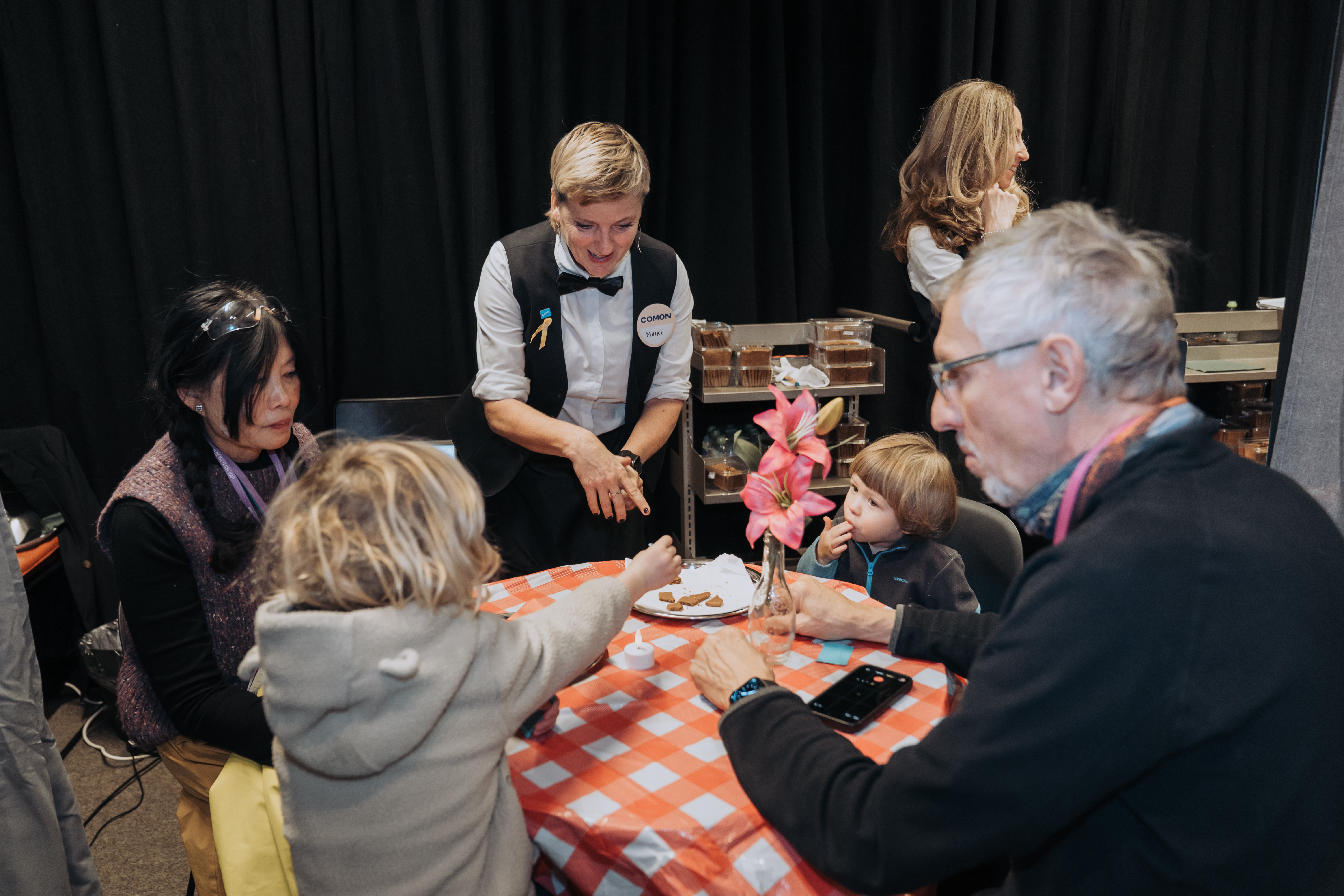
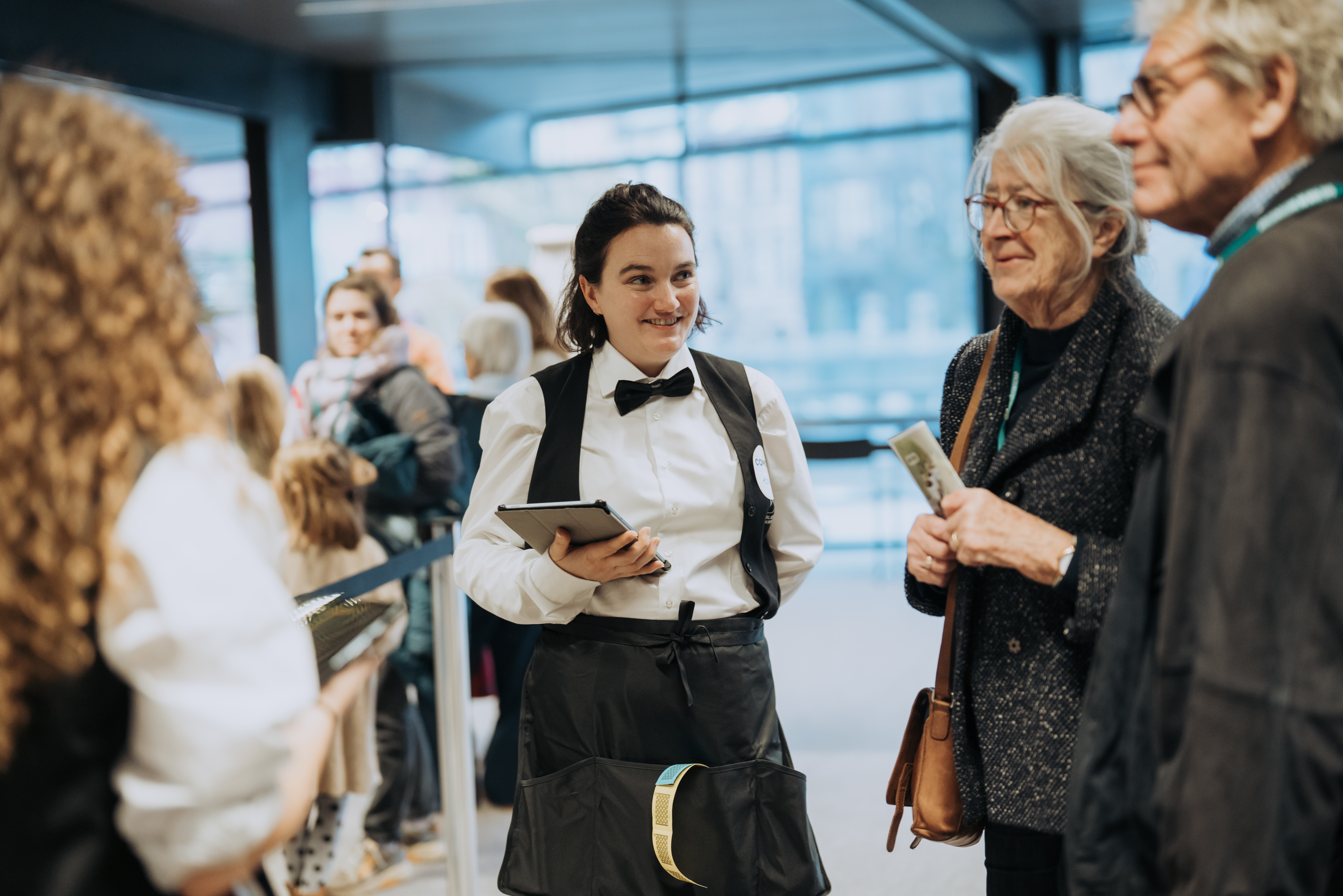
You might have seen it on the VRT news: our mini-restaurants serving ... insect cookies. Such cookies don't appear on the dinner table every day, but during Science Day, several hundred children and their parents eagerly tried algae-based or insect-based cookies. A sustainable and nutritious alternative. Even rector Petra De Sutter, vice-rector Herwig Reynaert, and alderwoman Astrid De Bruycker dared to try. Not everything at the table is always smooth sailing, though. New flavours sometimes trigger parent-child tension. The experiment showed how choices at the table arise from a mix of information (for example, explaining where the food comes from), sensory experience (familiarity, appearance), and context. And that's often not just about you as a parent.
Four restaurants, four mini-experiments
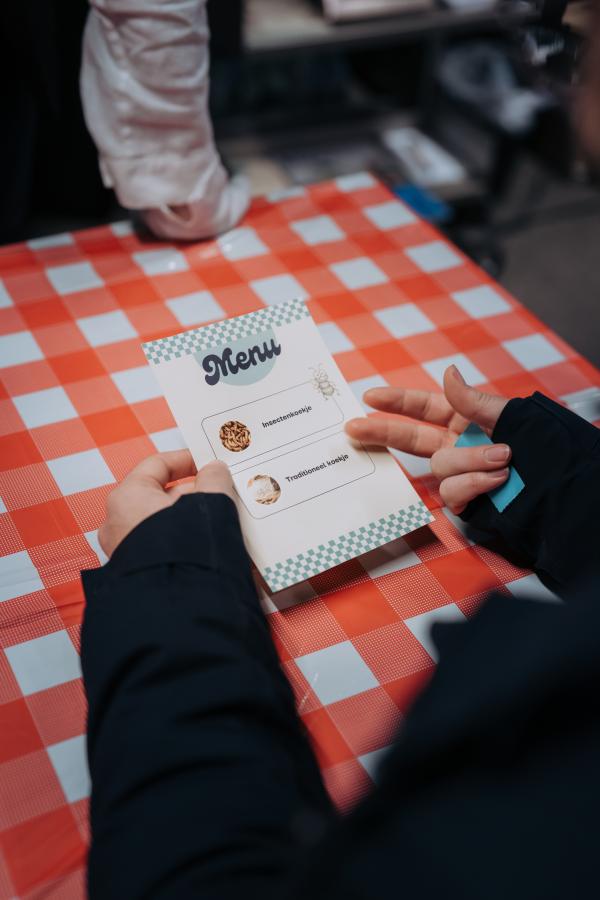
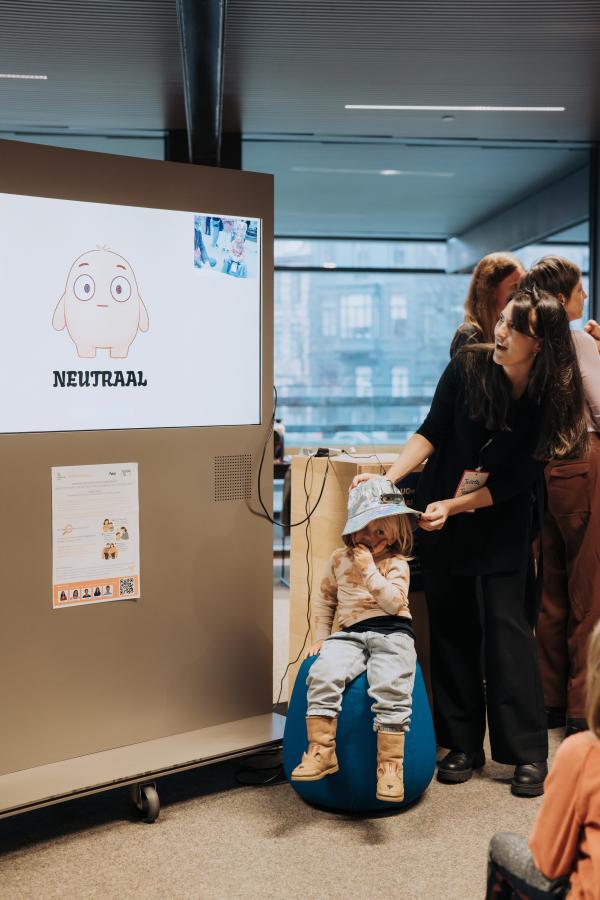
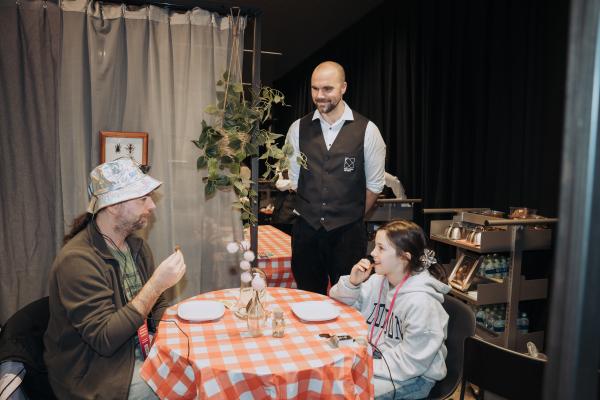
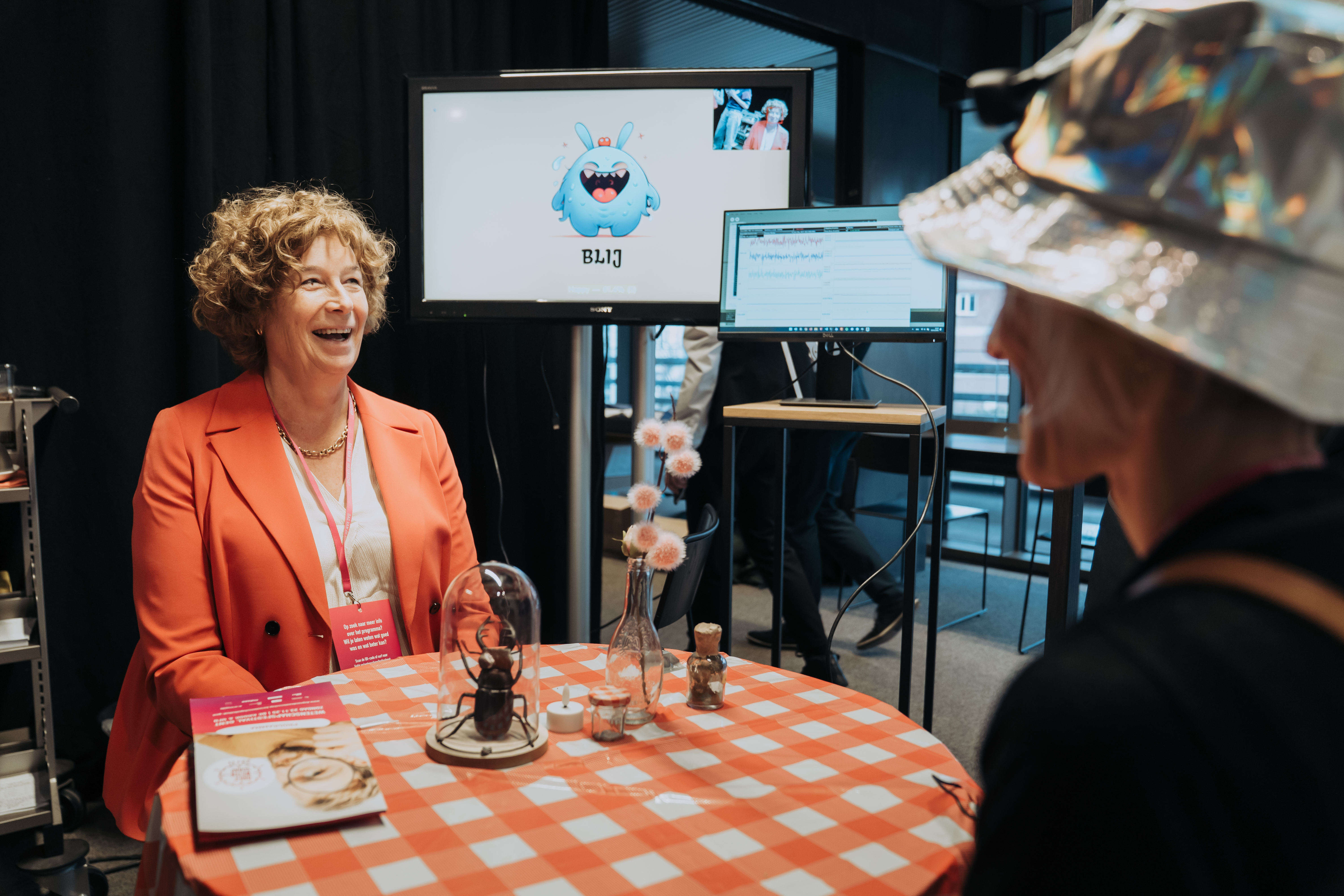
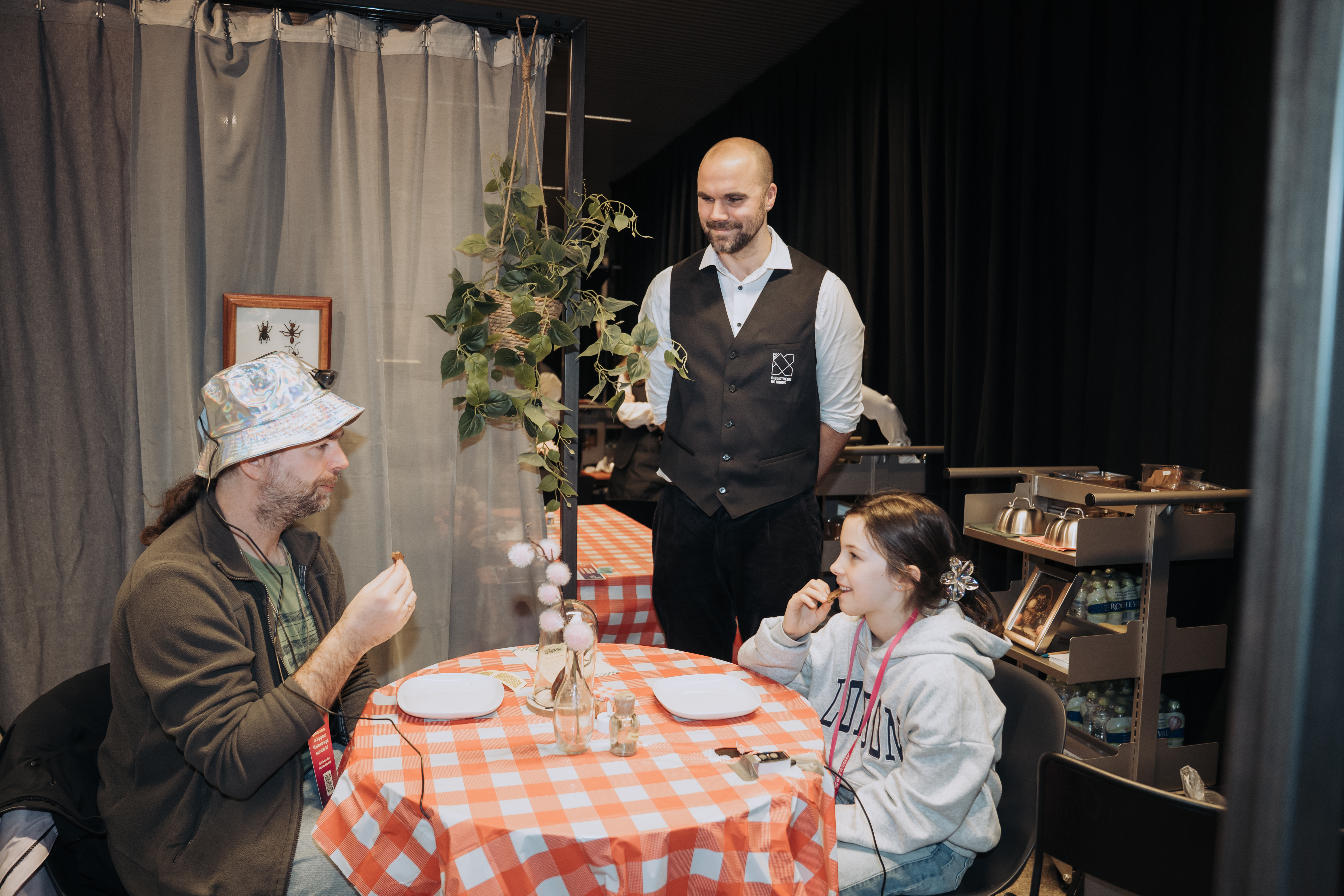
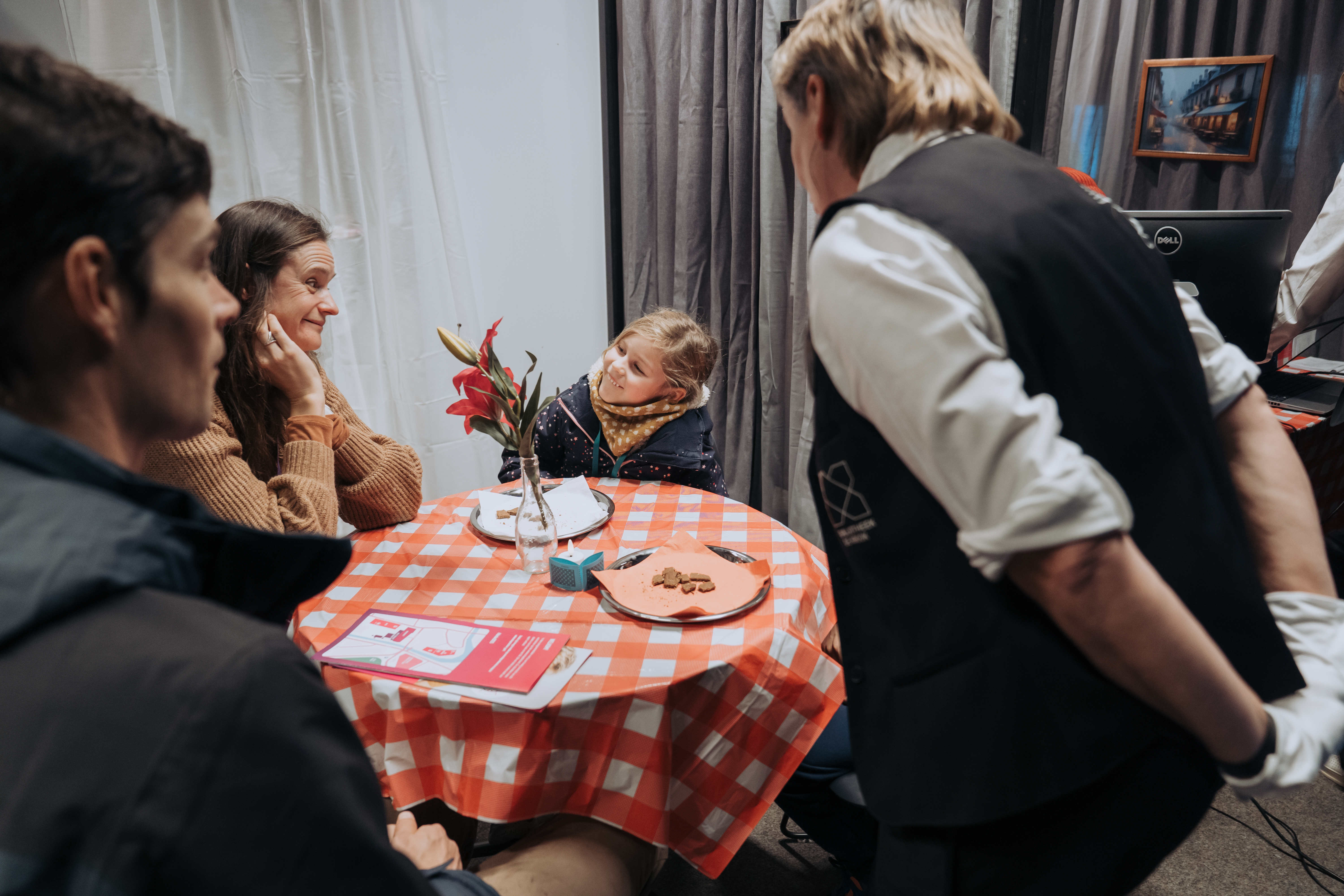
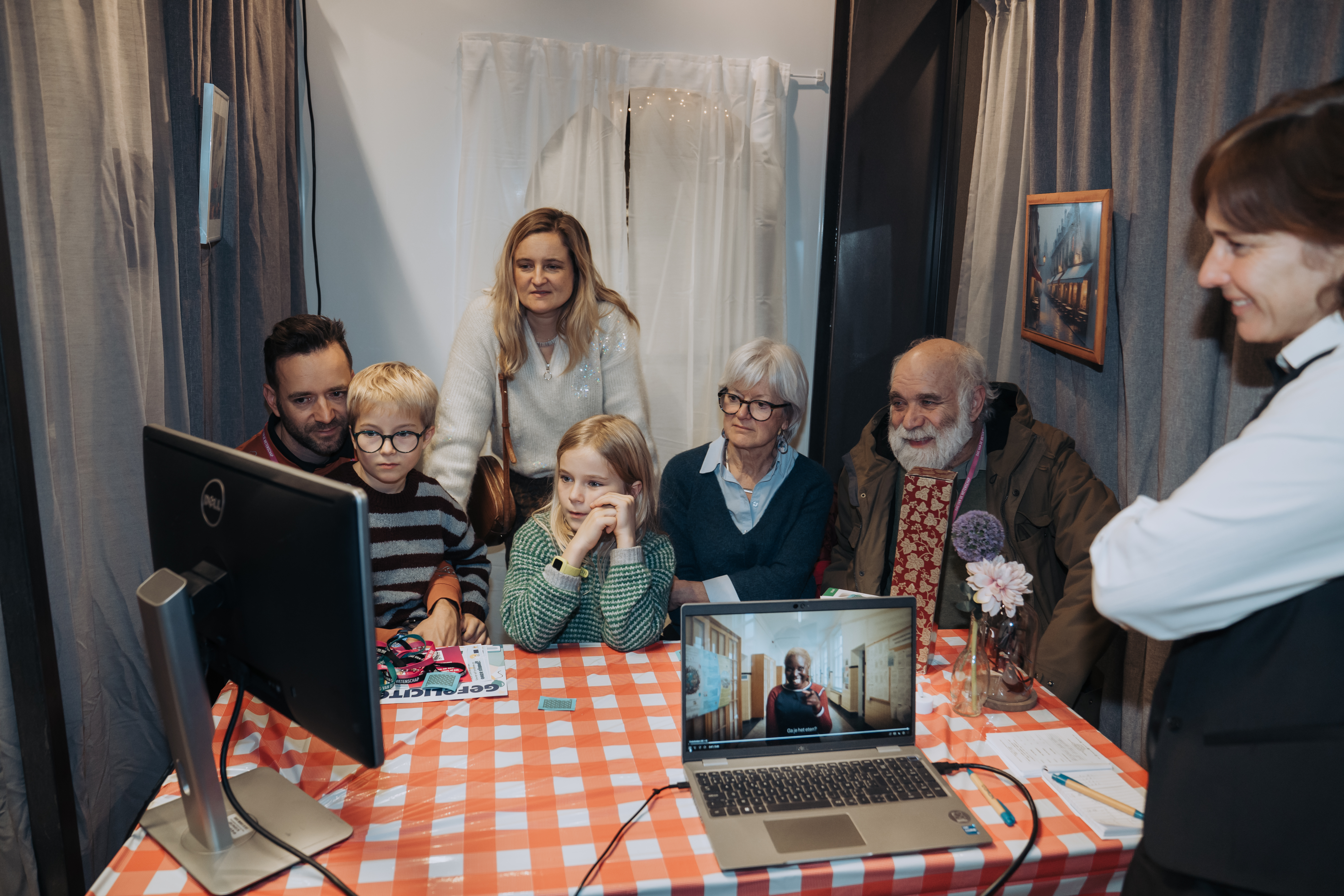
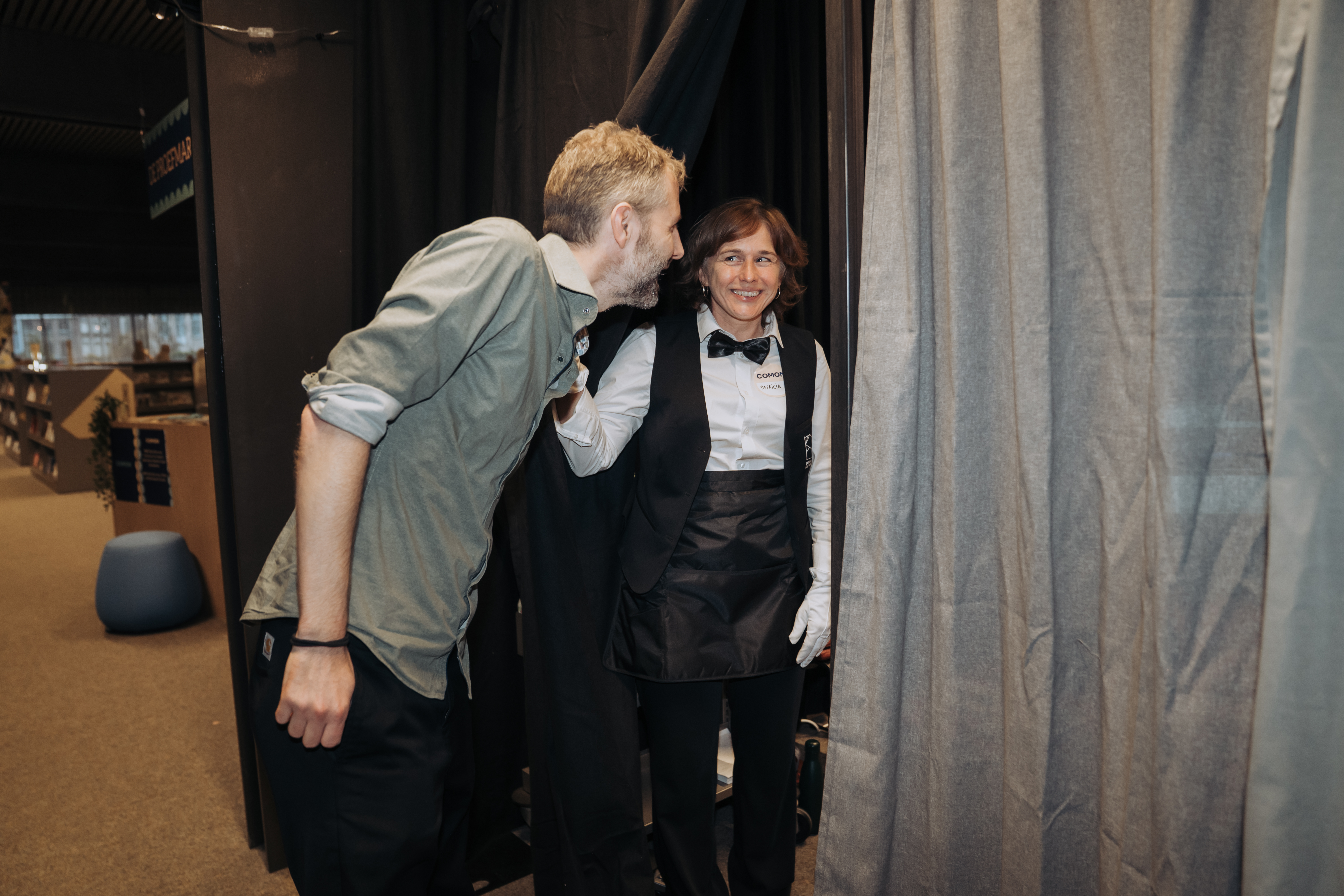
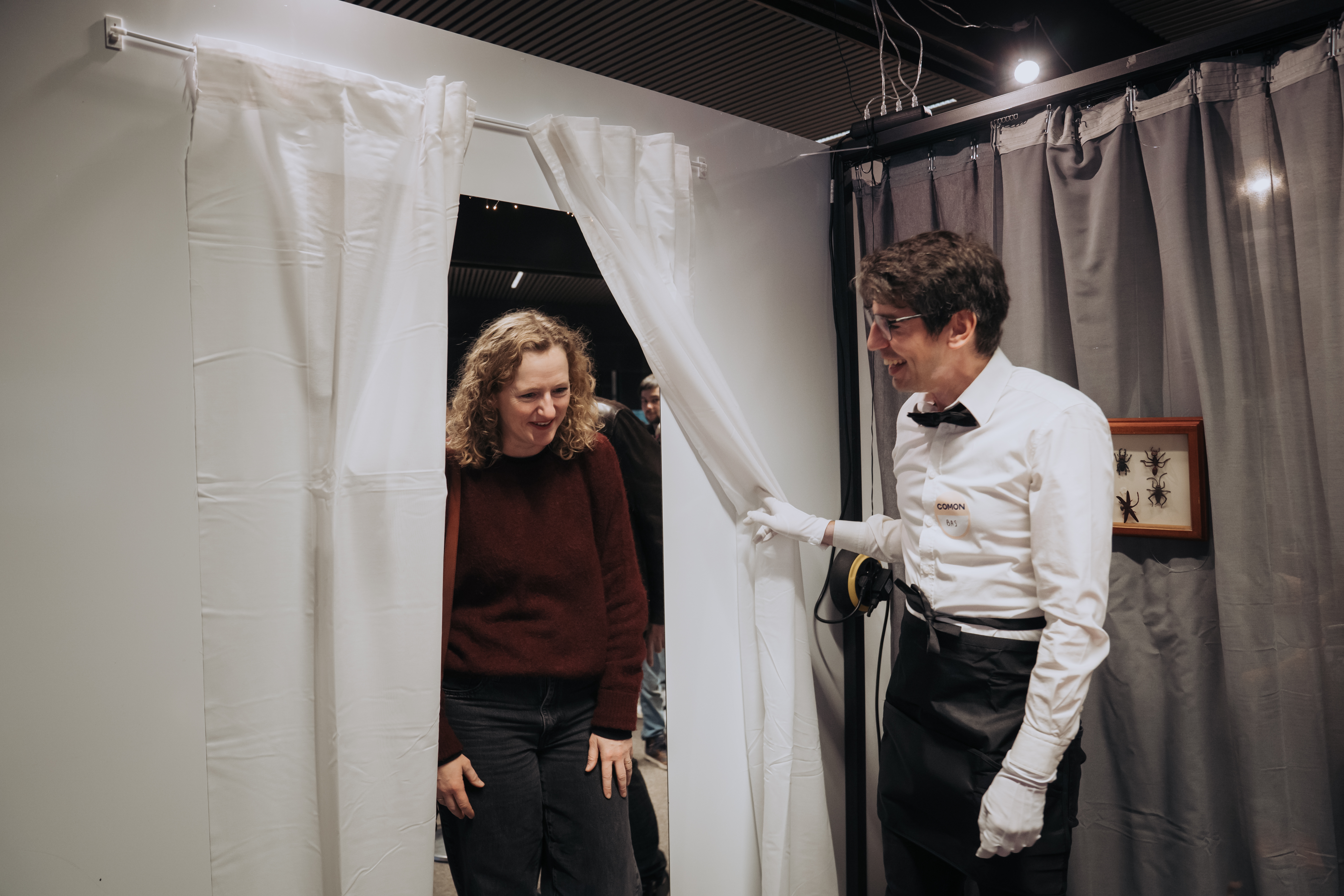
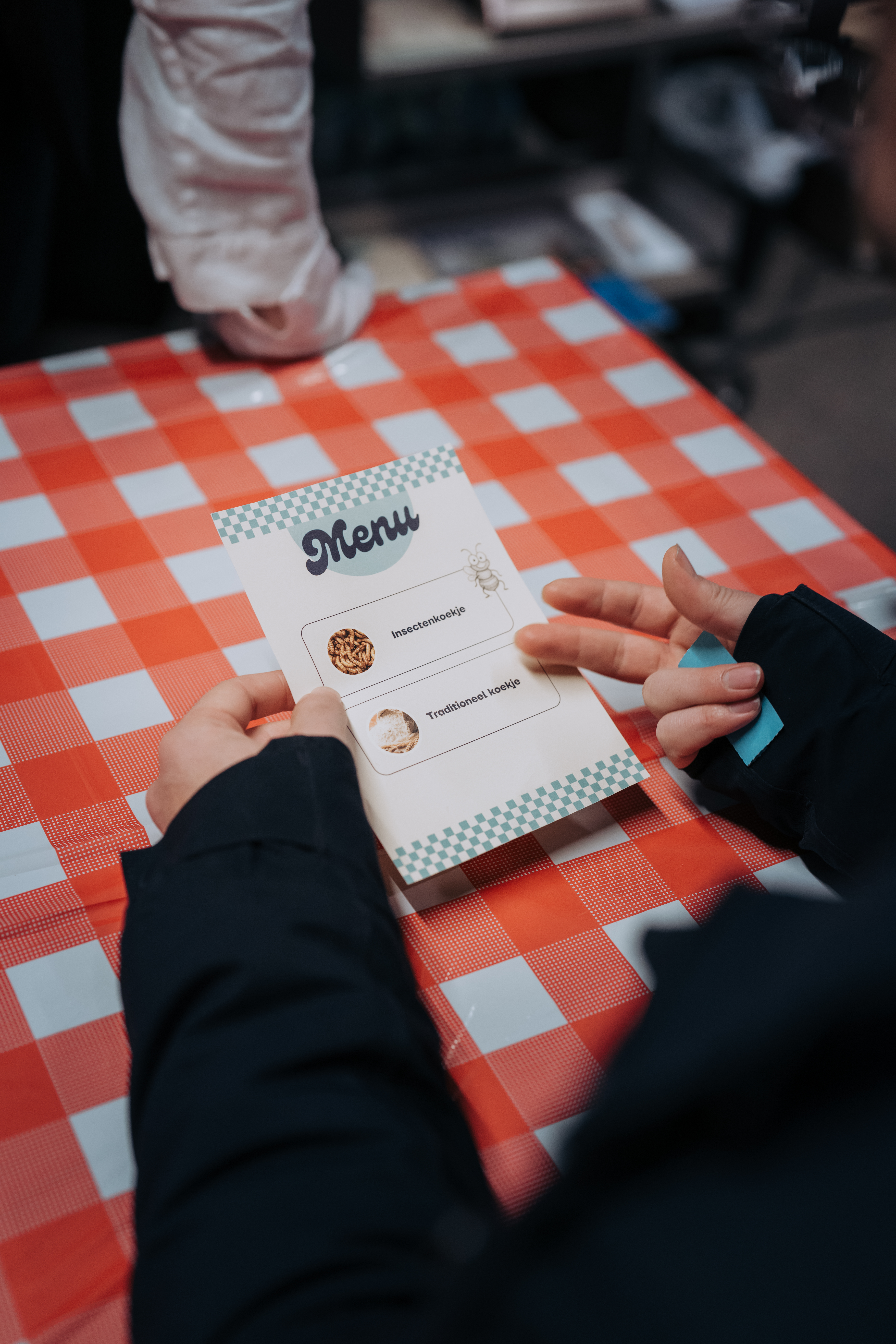
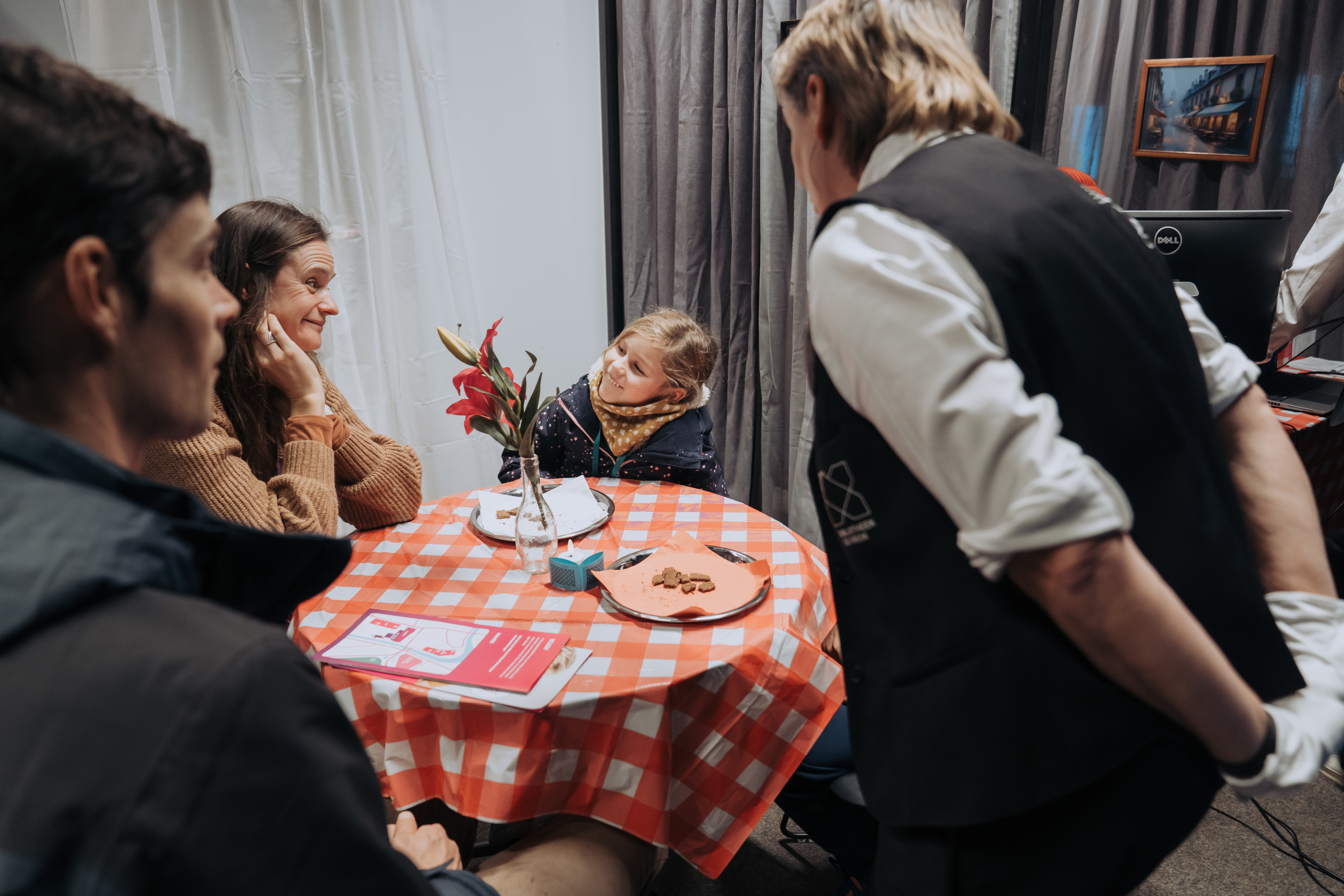
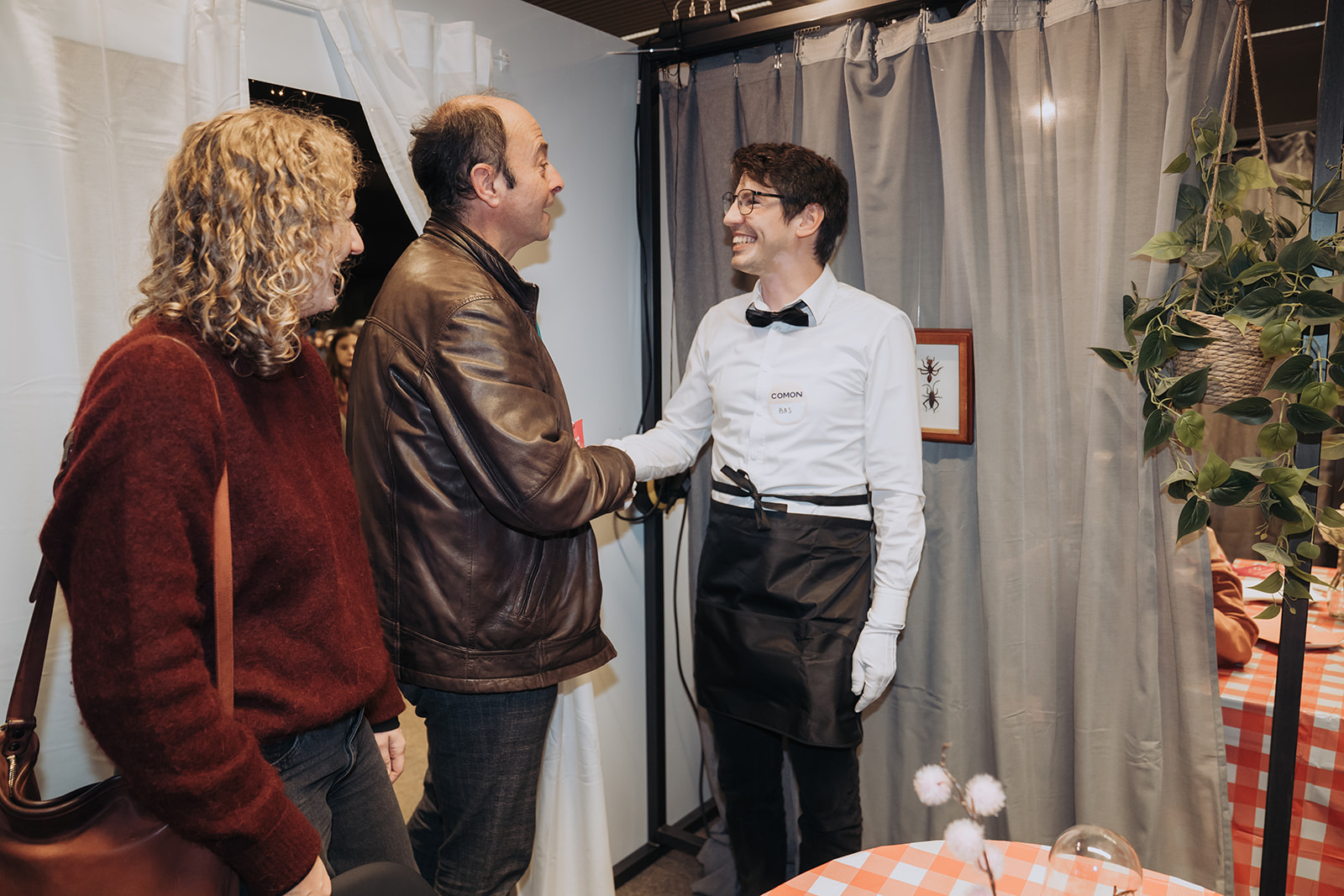
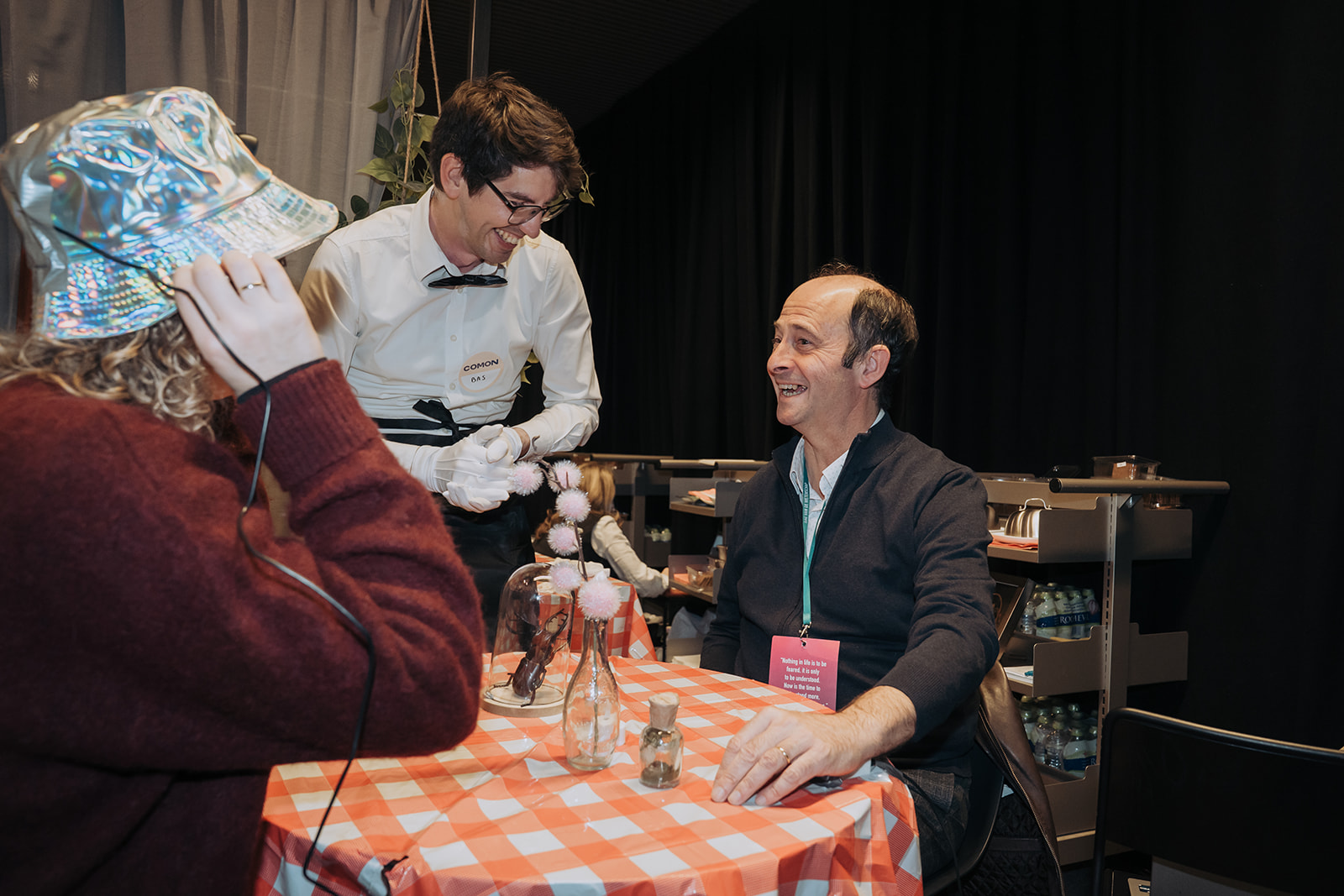
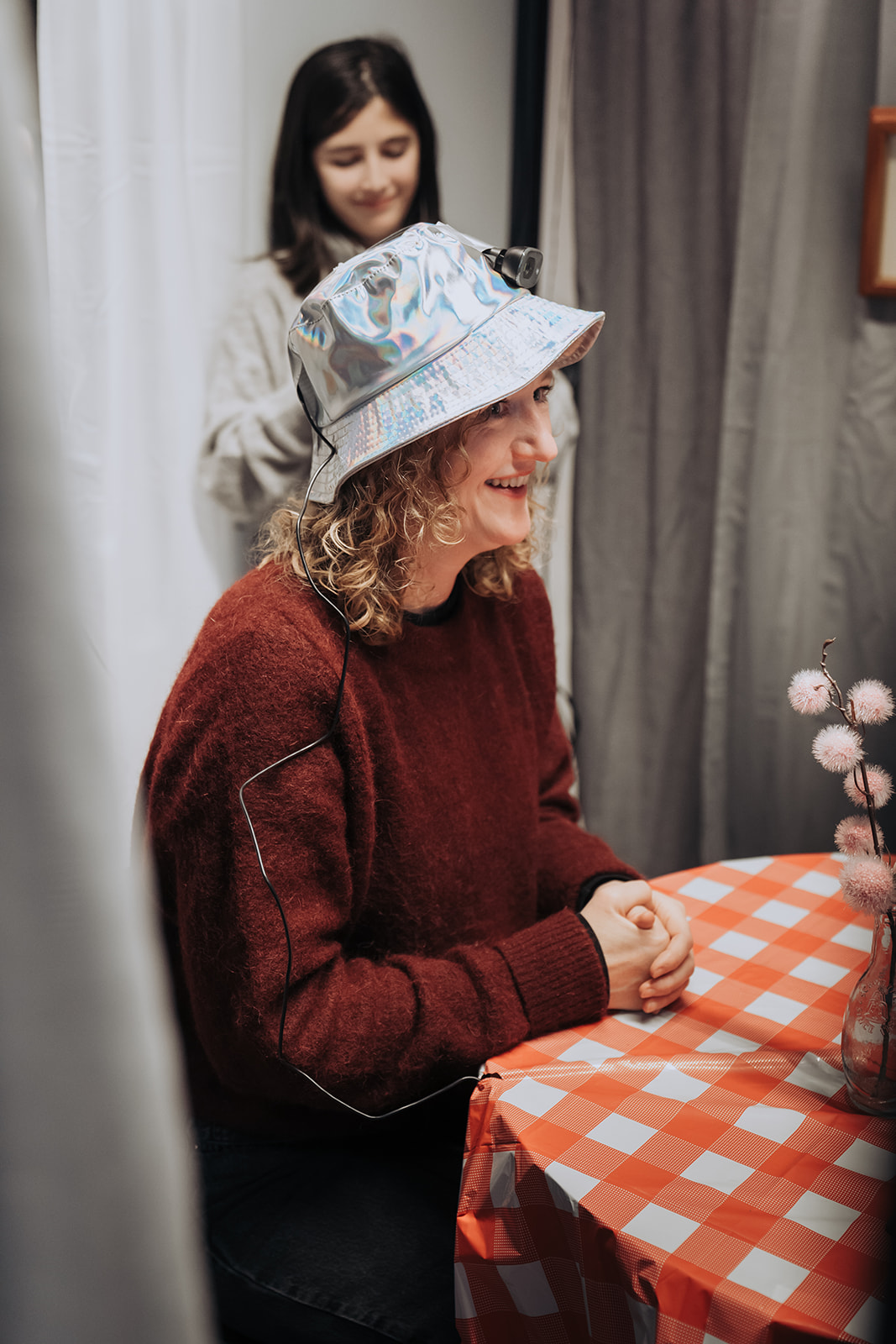
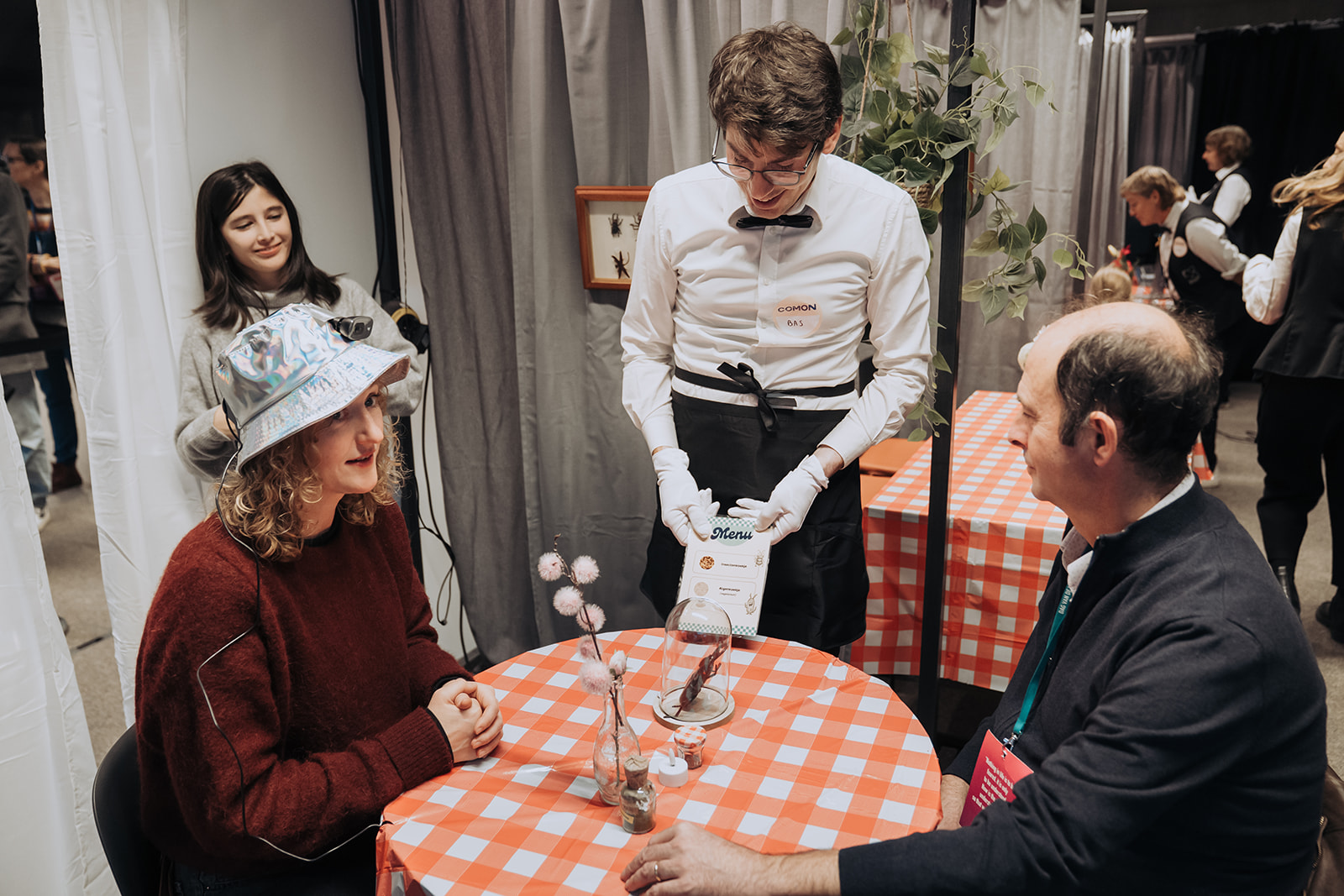
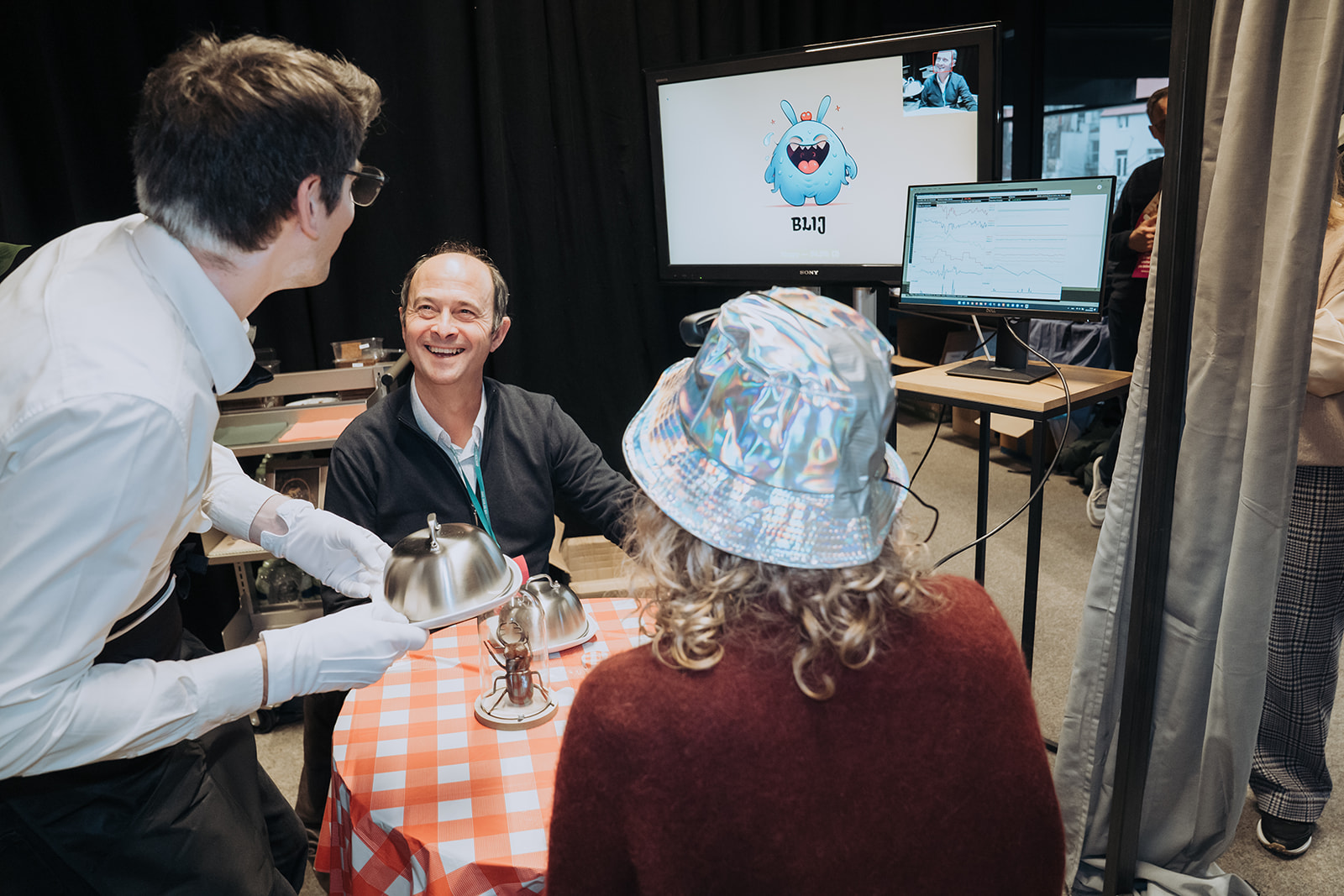
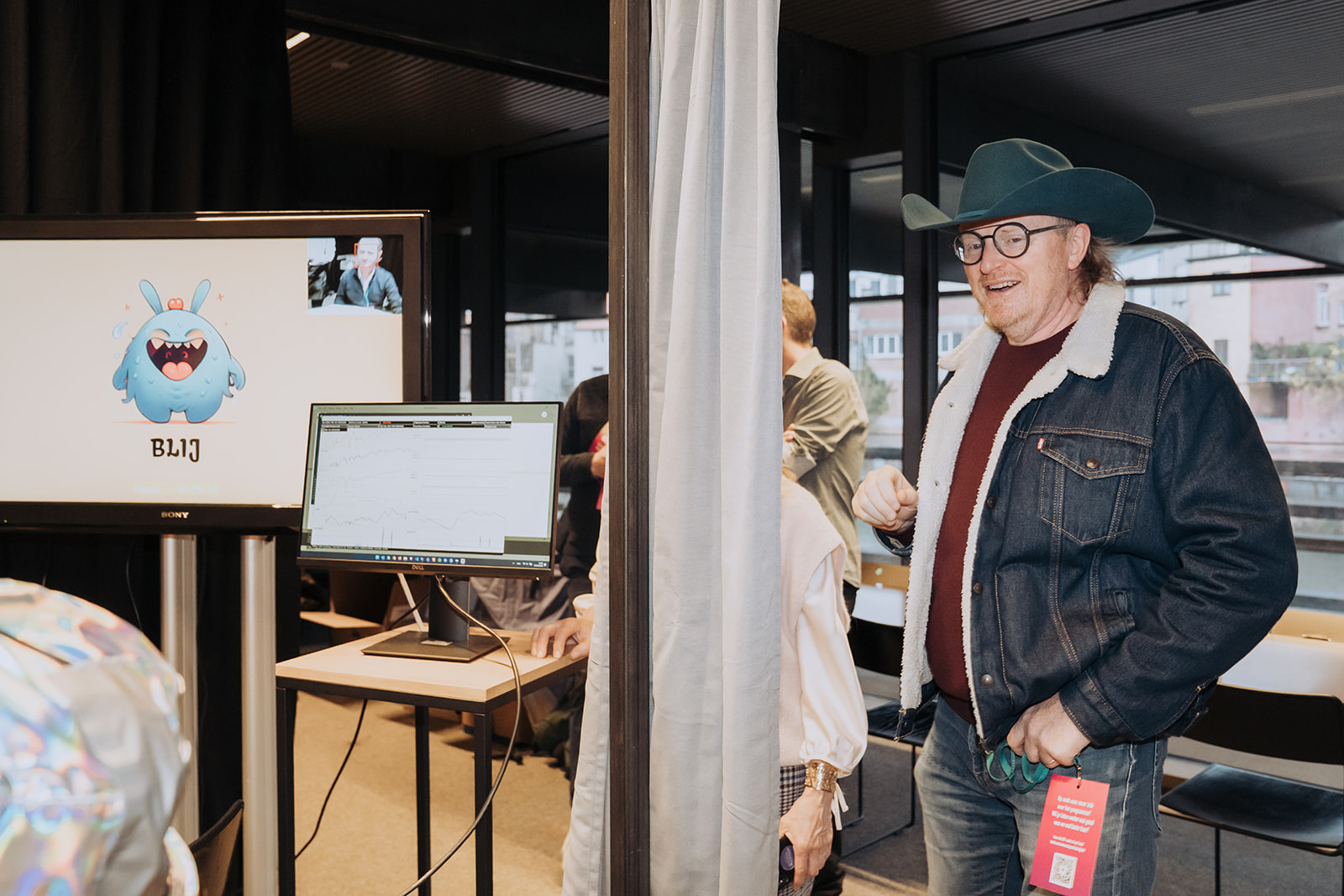
Our "restaurant street" featured four mini-restaurants that together told one story about food choices. At De Proloog, visitors started with a video about algae and insects. Then, they faced the question: would you try an algae- or insect cookie, or stick with a traditional one? At Het Smaakpalet and Van de Kaart, people were served cookies and menus and could choose for themselves. On top of that, they had to decide how much they would pay for the cookies. In Zen & Zoom, parents and children used sensors and a "camera-hat" to explore how emotions, stress, and parental support shape what and how we eat.
Research into emotions at the table: the CCAP Lab (UGent)
At Zen & Zoom, visitors met the work of a doctoral researcher from the Clinical Child and Adolescent Psychology lab (CCAP lab at Ghent University). Under the guidance of prof. Dr. Lien Goossens and prof. Dr. Sandra Verbeken, the lab investigates why some children remain picky or anxious about food for a long time, and especially what role emotions within the family play in that.
Many kids refuse unfamiliar or strange foods at one point. In some families, this behaviour becomes prolonged, with associated tension and stress. The CCAP lab studies how the emotional climate at home (how partens react, comfort their children, regulate stress...) shapes a child's experience with eating.
Initial results indicate that not only meal practices, but especially the family climate and emotion-focused parenting, have a major influence on selective eating behavior
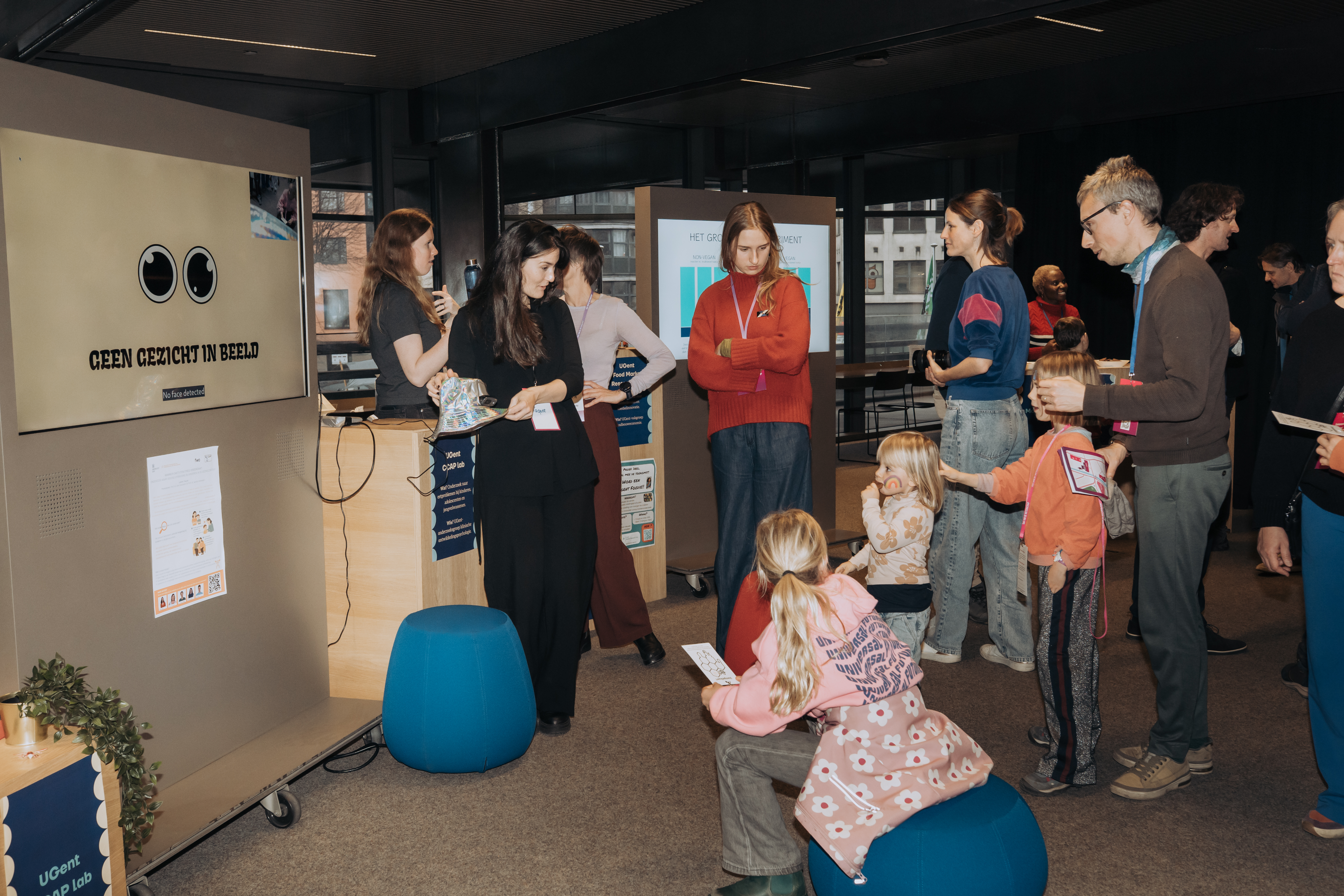
In Zen & Zoom, parents and children tried this for themselves: a wristband registered the child's reactions and emotions while parents wore a camera-hat and received real emotional regulation tips. The result? Lots of laughter, surprising insights, and suddenly... a bite of an algae- or insect cookie.
Why we eat what we eat: research by the Food Market Research Hub
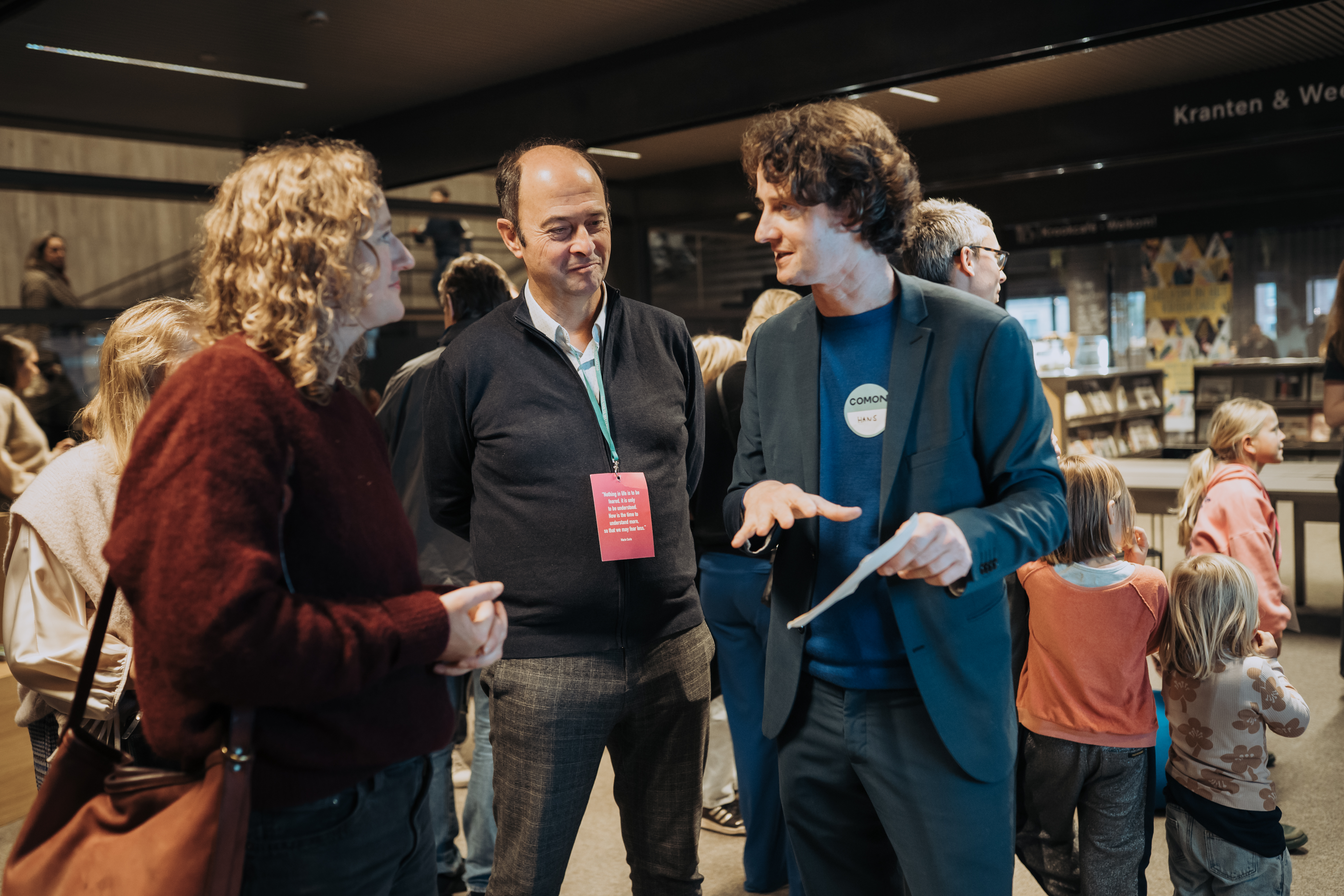
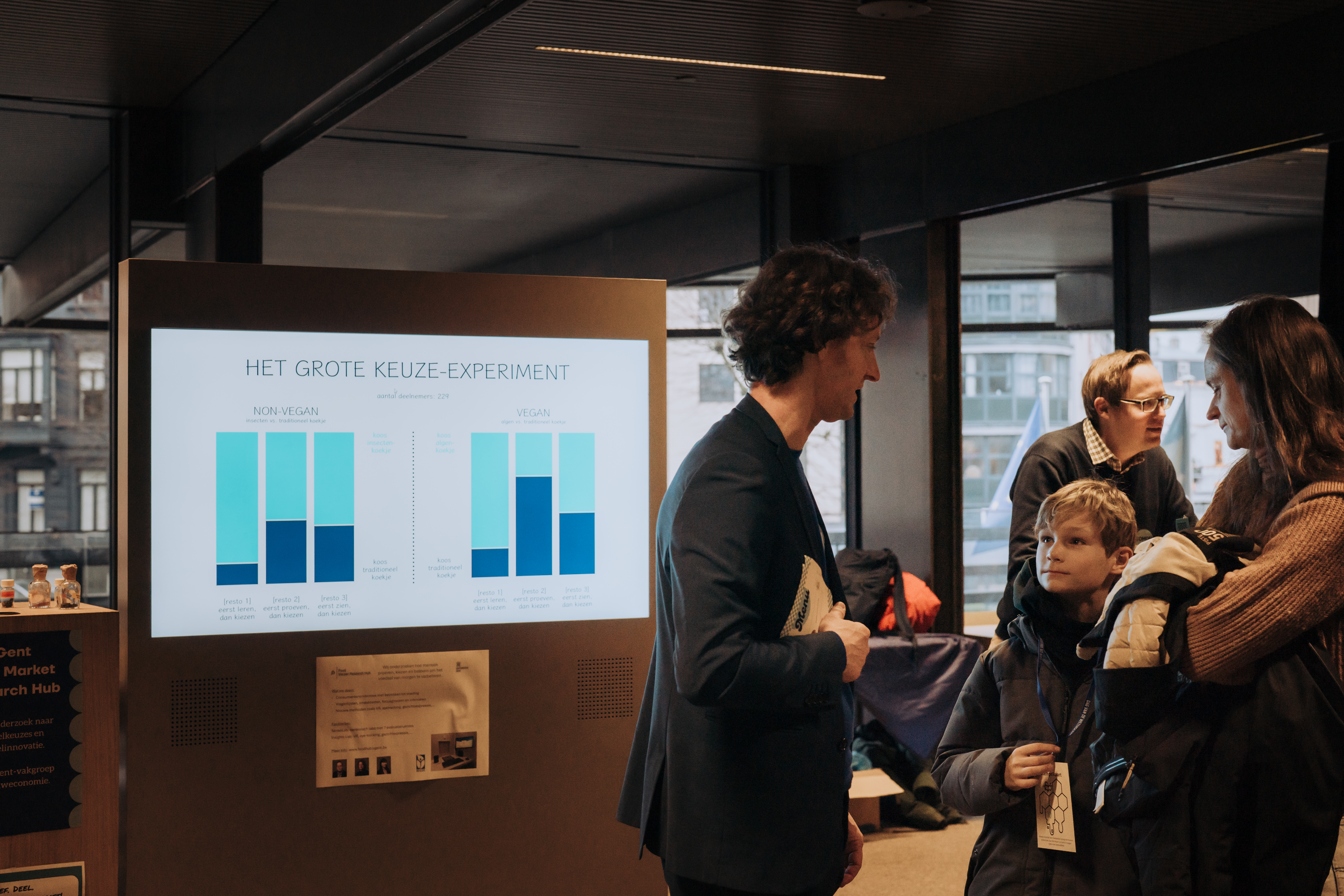
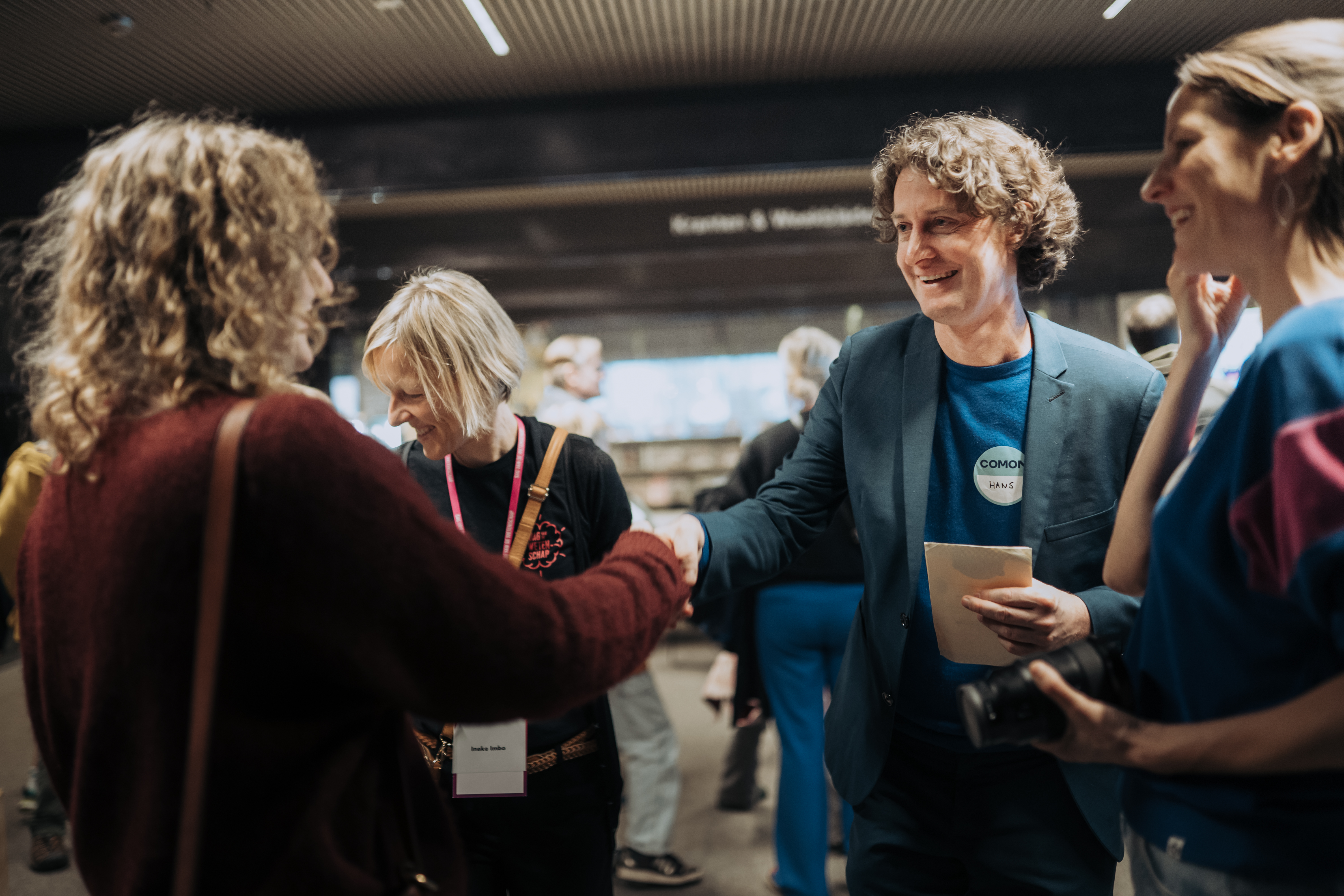
In the other three mini-restaurants, visitors discovered how the presentation of the cookies influences their choices. Whether you first received some education around sustainable food, tasted immediately without context, or flipped through a menu like in a restaurant, each scenario led to different selections: from traditional cookies to insect-based variants. Thanks to research by Prof. Hans De Steur and Dr. Christien Yung Hunh at the Food Market Research Hub (Ghent University), families saw how order and expectations influence what we pick, and how we view algae and insects as alternative proteins.
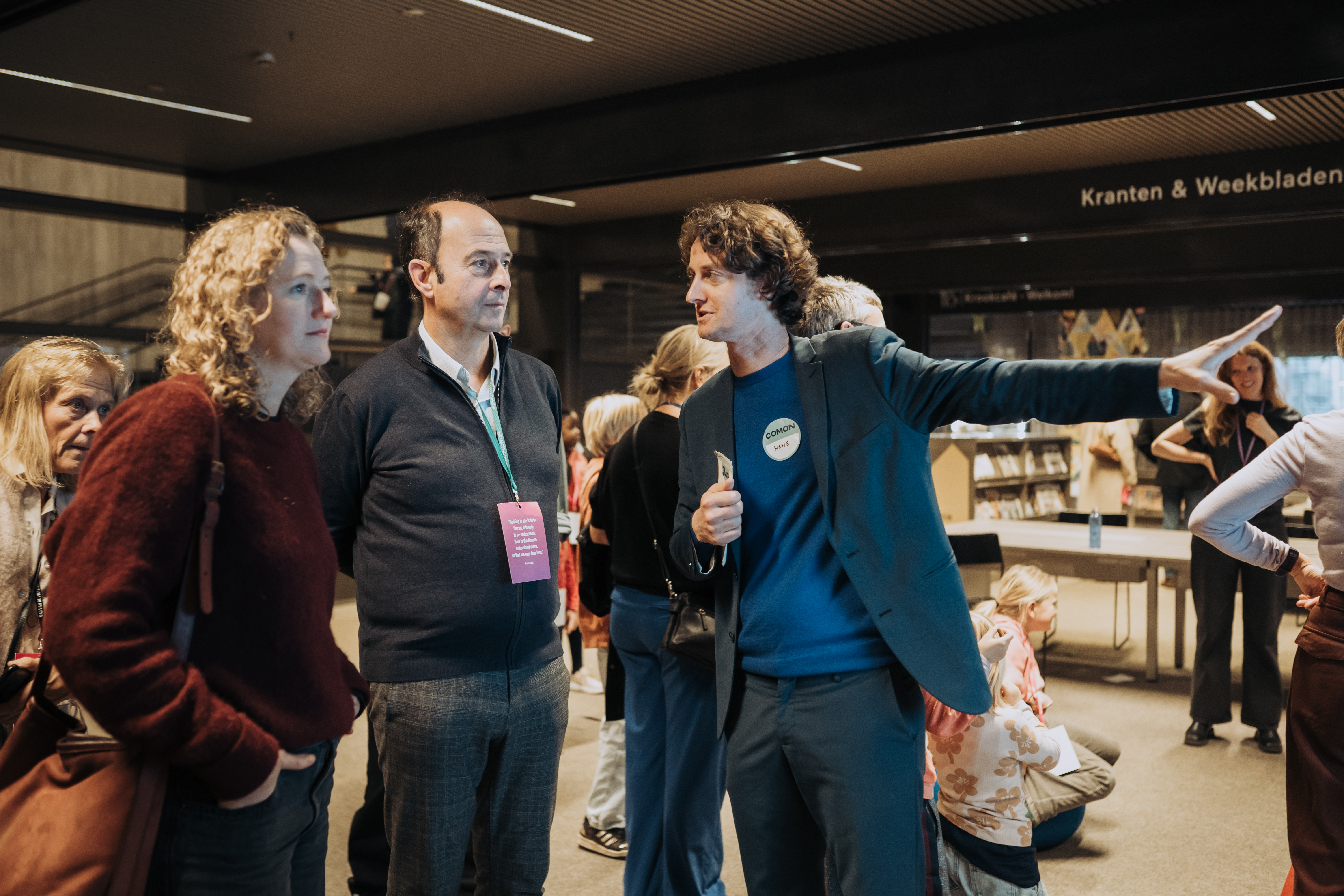
Chef Maryam
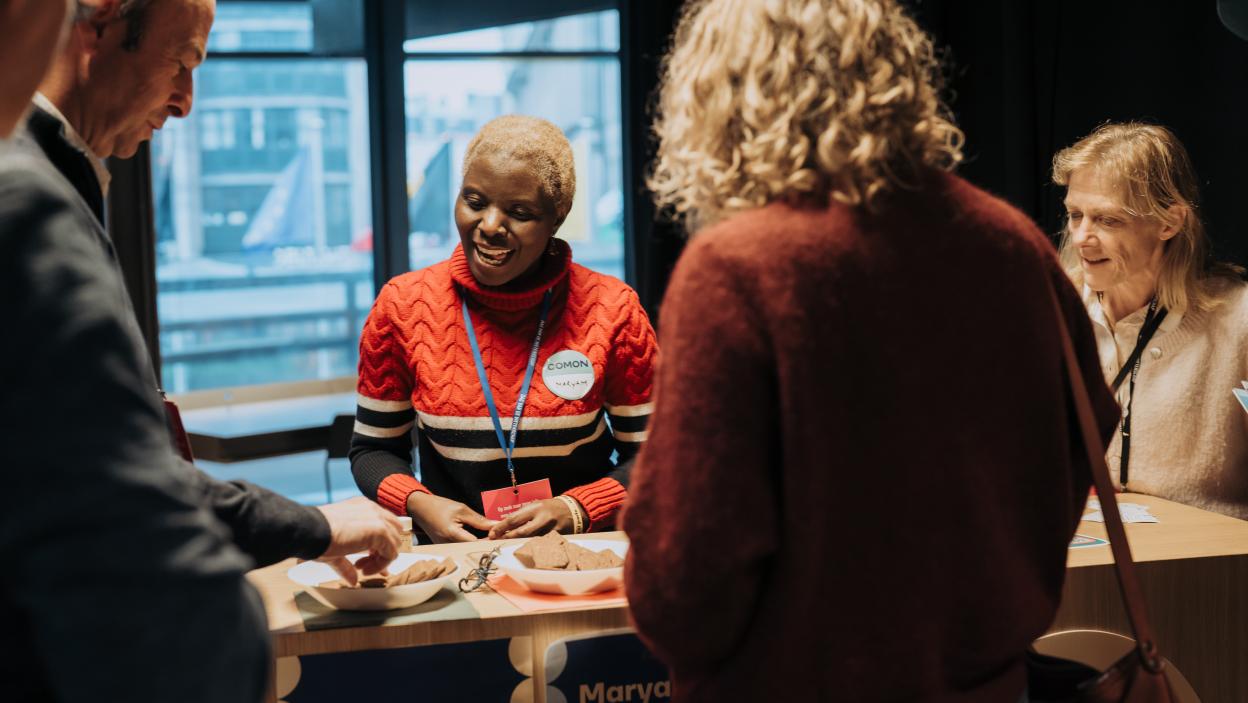
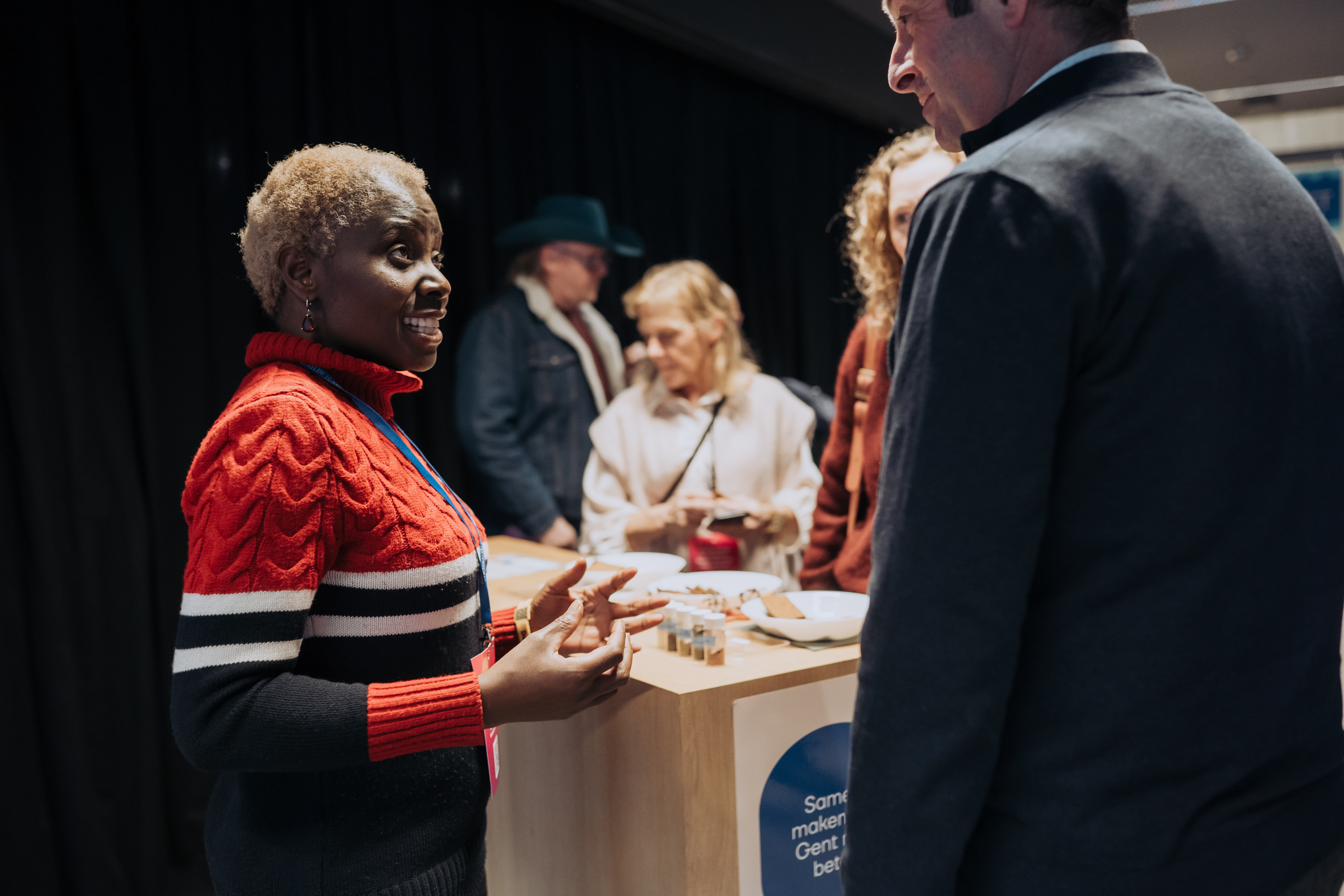
The cookies our visitors tasted were not your everyday cookies. They came from the kitchen of Chef Maryam (MaryaNutri), bio-engineer at Ghent University who works on food with algae or insects as sustainable and nutritious options. Maryam is not only a researcher, but also an entrepreneur. Someone who connects science and global challenges through ... cookies.
Maryam's story begins in Kenya, where, as a child, she sometimes ate insects out of necessity. That experience grew into a mission: to find solutions for malnutrition and, at the same time, make sustainable eating possible. During her studies in Belgium, she discovered how powerful insect and algae powders can be as sources of protein, vitamins and fibres. Today she develops innovative snacks, cookies and mixes that are not only nutritious, but also environmentally friendly.
Her work has already attracted media attention and inspired more people to rethink their idea of "new foods". For Science Day she brought three variants: a classic cookie, an algae cookie and an insect cookie. Each cookie was carefully composed, tested and refined with one aim: to show that sustainable food can be delicious.
And it worked: visitors who entered sceptical often left with a new favourite cookie, a smile, and a story to tell.
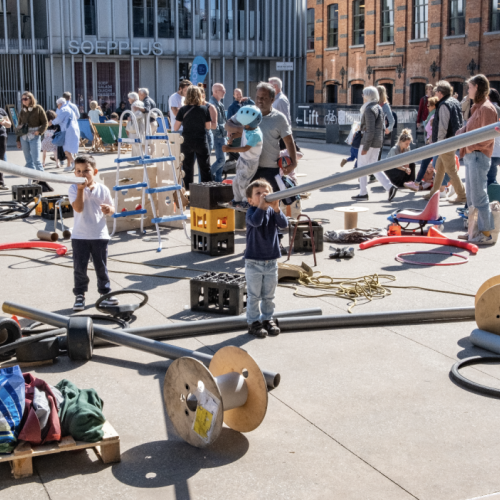
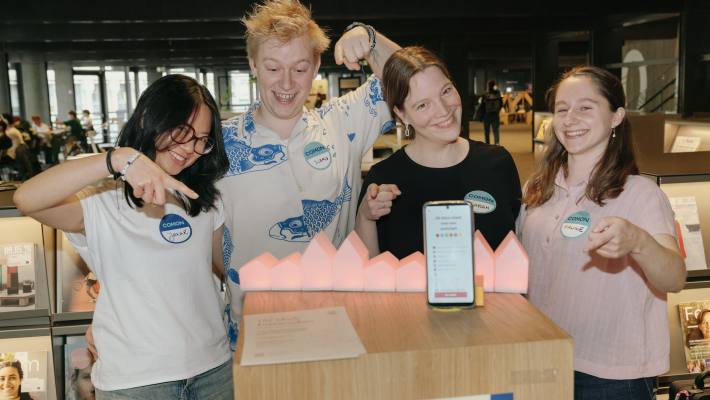
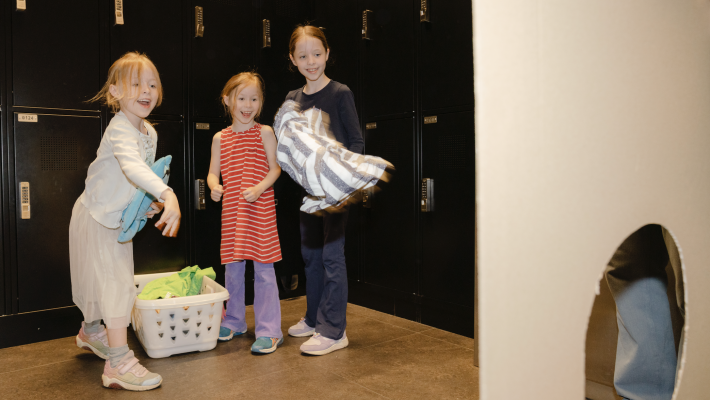
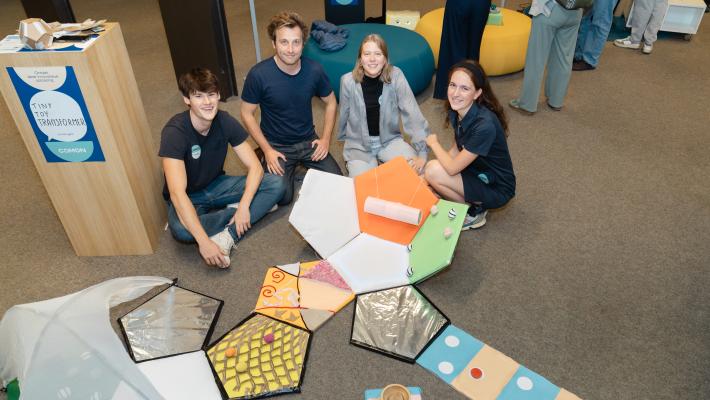
Browse through the pictures taken on Science Day
Want to do something meaningful for families yourself?
Science Day shows how powerful Ghent can be when residents, researchers and entrepreneurs experiment together.
Do you have an idea that could support families? Everyone with an idea is welcome. Receive up to €250 and help make a real difference for parents and children.